
In the intricate dance of modern industry and infrastructure, pressure is more than just a number on a dial. It is the silent pulse of a pipeline, the vital breath of a medical ventilator, the defining force in a hydraulic press, and the guardian of structural integrity. For decades, monitoring this critical parameter relied on manual checks and basic analog gauges—a reactive approach fraught with risk and inefficiency. Today, a quiet revolution is underway, powered by intelligent Pressure Sensor Monitoring Systems. These are not mere sensors; they are comprehensive, connected ecosystems that transform raw data into actionable intelligence, ushering in an era of predictive maintenance, unparalleled safety, and optimized performance.
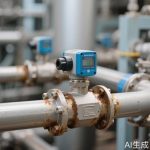
The core of this revolution lies in the evolution of the sensor itself. Modern pressure transducers are marvels of micro-engineering, offering astounding accuracy, stability, and durability. Coupled with wireless IoT connectivity and embedded microprocessors, they become intelligent nodes in a vast network. A contemporary Pressure Sensor Monitoring System continuously captures real-time pressure data, transmitting it seamlessly to a centralized cloud platform or on-premise server. This leap from isolated measurement to integrated data flow is the fundamental shift that unlocks transformative value.
The most profound impact of these systems is arguably in the realm of safety and risk mitigation. In sectors like oil and gas, chemical processing, and energy generation, pressure anomalies are often early warning signs of catastrophic failure. An intelligent monitoring system acts as a 24/7 digital sentinel. It doesn’t just log data; it analyzes trends, detects deviations from set parameters, and can trigger immediate alerts via SMS, email, or dashboard notifications. This enables engineers to respond to a developing overpressure or leak scenario before it escalates into an emergency, protecting both personnel and assets. In water distribution networks, such systems can detect pressure drops indicative of pipe bursts, dramatically reducing response times and minimizing water loss and infrastructure damage.
Beyond safety, the drive for operational excellence finds a powerful ally in advanced pressure monitoring. The shift from reactive to predictive maintenance is a game-changer for profitability and uptime. Instead of servicing equipment on a fixed schedule or waiting for it to fail, these systems analyze pressure trends and waveforms to predict wear and tear on components like pumps, compressors, and valves. A gradual increase in pressure drop across a filter, for instance, signals the need for cleaning before it causes a system shutdown. This predictive capability eliminates unplanned downtime, extends equipment lifespan, and optimizes maintenance resource allocation, delivering a substantial return on investment.
The benefits extend deep into process optimization and quality control. In manufacturing, precise pressure control is crucial for product consistency, whether in injection molding, food and beverage packaging, or semiconductor fabrication. A networked monitoring system ensures that every machine operates within its ideal pressure window, batch after batch. Real-time data dashboards provide plant managers with a holistic view of system health, enabling fine-tuning for energy efficiency—such as optimizing pump speeds to match demand—and ensuring stringent quality standards are met consistently, reducing waste and rework.
Implementing a future-proof Pressure Sensor Monitoring System requires careful consideration. Key factors include selecting sensors with the appropriate range, accuracy, and media compatibility for the application. The choice of communication protocol—from 4G/5G and LoRaWAN for wide-area coverage to Wi-Fi or Bluetooth for local setups—determines the system’s reach and scalability. Equally important is the software platform, which should offer intuitive visualization, customizable alerting, robust data analytics, and secure data storage. The goal is to create a seamless flow from physical measurement to strategic insight.
As we look to the future, the convergence of pressure sensing with other technologies like artificial intelligence and digital twins will further amplify its impact. AI algorithms will move beyond simple threshold alerts to diagnose complex root causes of pressure fluctuations. A digital twin—a virtual replica of a physical system—fed with live pressure data, will allow for sophisticated simulation and scenario planning, optimizing operations in a risk-free virtual environment. The humble pressure measurement is becoming a cornerstone of the smart, autonomous industrial landscape.
In conclusion, modern Pressure Sensor Monitoring Systems represent a critical evolution from simple measurement tools to strategic intelligence platforms. They are the nervous system for industrial and infrastructural assets, providing the real-time visibility needed to ensure safety, drive efficiency, and unlock new levels of operational control. In a world where data is king, these systems ensure that the fundamental force of pressure is not just monitored, but mastered, turning a basic physical parameter into a powerful driver of innovation and resilience.


Leave a Message