
In today’s rapidly evolving industrial landscape, the integration of advanced sensor technology has become a cornerstone of efficiency, safety, and innovation. Industrial sensors are no longer mere components; they are intelligent systems that drive productivity, reduce operational costs, and pave the way for smarter manufacturing. From monitoring equipment health to ensuring precise quality control, these devices are transforming how industries operate, making processes more responsive and data-driven than ever before.
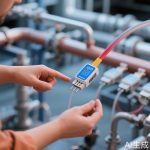
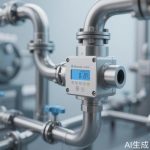
One of the most critical applications of Industrial sensors lies in predictive maintenance. Traditional maintenance methods often rely on scheduled checks or reactive repairs, which can lead to unexpected downtime and costly disruptions. However, with sensors capable of continuously monitoring parameters such as temperature, vibration, and pressure, companies can now predict failures before they occur. This proactive approach not only extends the lifespan of machinery but also significantly reduces maintenance expenses, ensuring that production lines run smoothly and efficiently.
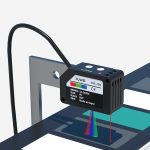
Quality control is another area where Industrial sensors have made a profound impact. In sectors like automotive, pharmaceuticals, and food processing, even the slightest deviation from standards can have serious consequences. High-precision sensors equipped with vision systems, lasers, or ultrasonic technology can detect imperfections in real-time, allowing for immediate corrective actions. This level of accuracy ensures that every product meets stringent quality requirements, enhancing customer satisfaction and bolstering brand reputation.
Beyond maintenance and quality assurance, industrial sensors are instrumental in enhancing workplace safety. In environments where hazardous conditions are prevalent, such as chemical plants or mining operations, sensors can detect toxic gases, excessive heat, or structural weaknesses, triggering alarms and automated shutdowns to protect workers. This not only safeguards human lives but also helps companies comply with increasingly rigorous safety regulations, avoiding potential legal and financial repercussions.
The advent of the Industrial Internet of Things (IIoT) has further amplified the capabilities of sensor applications. By connecting sensors to centralized networks, data can be collected, analyzed, and acted upon in real-time. This connectivity enables a new era of smart factories, where machines communicate with each other to optimize production schedules, manage energy consumption, and even self-diagnose issues. The result is a highly agile manufacturing ecosystem that can adapt to changing demands with minimal human intervention.
Looking ahead, the role of industrial sensors is set to expand even further with advancements in artificial intelligence and machine learning. These technologies will empower sensors to not only collect data but also learn from it, identifying patterns and making autonomous decisions. This evolution will unlock unprecedented levels of efficiency and innovation, solidifying sensors as indispensable tools in the future of industry.
In conclusion, industrial sensor applications are at the heart of modern manufacturing’s transformation. By enabling predictive maintenance, ensuring quality, enhancing safety, and integrating with IIoT, these devices are driving industries toward a smarter, more efficient future. As technology continues to advance, their impact will only grow, making now the perfect time for businesses to invest in and embrace the power of industrial sensors.
Leave a Message