
In the pulsating heart of modern industry, where data is the new currency and precision is non-negotiable, the humble sensor stands as a silent sentinel. From monitoring the delicate temperature of a pharmaceutical batch to gauging the immense pressure in a petrochemical pipeline, Industrial sensors are the foundational nervous system of the smart factory. Yet, the transformative power of this technology hinges not just on the sophistication of the sensor itself, but on a critical, often underestimated phase: installation. A perfectly calibrated sensor installed incorrectly is a liability, not an asset. This is where the blueprint ends and the art of flawless execution begins.
The journey to sensor-driven excellence starts long before a wrench is turned. It begins with a meticulous Site and Process Analysis. Understanding the operational environment is paramount. Is the location prone to extreme temperatures, corrosive chemicals, excessive vibration, or electromagnetic interference? A sensor placed in a high-vibration zone without proper isolation will deliver noisy, unreliable data. Similarly, selecting a pressure sensor with the wrong diaphragm material for a corrosive fluid line is a recipe for premature failure and potentially catastrophic downtime. This phase demands a deep collaboration between process engineers, instrumentation specialists, and maintenance teams to define not just what to measure, but how to survive and thrive in the measurement point’s unique ecosystem.
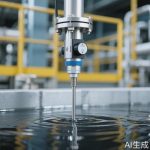
With the analysis complete, the focus shifts to the Physical Integration—the tangible connection between sensor and system. This is a discipline of precision. For a flow sensor, this means ensuring straight pipe runs upstream and downstream as per manufacturer specifications to avoid turbulent readings. For a temperature probe, it involves correct insertion depth and optimal thermal coupling to capture a true representative temperature, not a misleading surface reading. Proper sealing, grounding, and mechanical securing are not mere checklist items; they are defenses against leaks, signal noise, and physical damage. A loosely mounted accelerometer on a rotating asset will tell you more about its own rattling than the machine’s health.
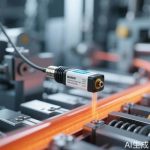
In today’s interconnected landscape, installation is no longer just a mechanical task. The Electrical and Network Integration forms the digital lifeline. This encompasses clean power supply, correct wiring practices (shielding for analog signals to prevent crosstalk), and secure integration into the broader control network—be it a traditional 4-20 mA loop, a fieldbus protocol like PROFIBUS, or an Industrial IoT framework. A poorly terminated cable can introduce resistance, skewing readings. Incorrect network configuration can render a smart sensor invisible to the control system. This stage ensures the sensor’s voice is not only heard but is clear, accurate, and in the right language for the data historians and analytics platforms that await its input.
Finally, the process culminates in Commissioning and Validation. This is the ultimate quality gate. It involves powering up the system, applying known stimuli or comparing readings against a trusted calibrated instrument, and verifying the data’s journey from the sensing point to the human-machine interface (HMI) or dashboard. Calibration at this stage, often using traceable standards, sets the baseline for accuracy. Documenting every step—sensor serial numbers, calibration certificates, installation locations, and wiring diagrams—creates an invaluable asset register for future maintenance, troubleshooting, and audit compliance.
Neglecting the nuances of professional installation is a costly gamble. The consequences range from chronic data inaccuracy leading to poor product quality and wasted resources, to complete sensor failure causing unplanned outages. In safety-critical applications, such as gas detection or high-pressure containment, improper installation isn’t just an operational issue; it’s a profound risk to personnel and plant integrity. The return on investment in a high-end sensor can be utterly negated by the corner cut during its mounting.
Therefore, viewing sensor installation as a strategic competency rather than a peripheral task is the hallmark of a forward-thinking operation. It requires a blend of technical rigor, process knowledge, and meticulous attention to detail. Partnering with experienced technicians or investing in certified training for in-house teams pays exponential dividends. By mastering the art and science of installation, manufacturers unlock the true potential of industrial sensing: transforming raw data into actionable intelligence, ensuring operational resilience, and building an unshakeable foundation for the data-driven future. The sensor is the eye, but its installation is the vision that allows industry to see clearly.

Leave a Message