
In today’s fast-paced industrial environments, the ability to monitor and control liquid levels with precision is not just a convenience—it’s a necessity. Among the many factors that determine the effectiveness of liquid level sensors, response speed stands out as a critical performance metric. Whether in chemical processing, water treatment, food and beverage production, or pharmaceutical manufacturing, the responsiveness of a liquid level sensor can significantly impact operational efficiency, product quality, and safety protocols.
Response speed refers to the time it takes for a sensor to detect a change in liquid level and transmit that information to the control system. In dynamic applications where levels fluctuate rapidly, a slow sensor can lead to overflows, run-dry conditions, or inaccurate measurements. These issues not only disrupt processes but also pose risks such as equipment damage, product loss, and even hazardous situations. For instance, in a chemical plant, delayed detection of a rising liquid level could result in leaks or spills, endangering personnel and the environment.
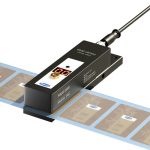
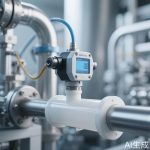
Modern liquid level sensors leverage advanced technologies to achieve remarkable response times. Capacitive, ultrasonic, and optical sensors are among the most common types known for their swift reactivity. Capacitive sensors, for example, can detect level changes almost instantaneously due to their reliance on electrical field variations. Ultrasonic sensors use sound waves to measure distance, offering rapid updates without physical contact with the liquid. Meanwhile, optical sensors provide near-instantaneous responses by detecting changes in light refraction at the liquid interface.
The benefits of high response speed extend beyond preventing accidents. In automated systems, real-time data enables precise control of pumps, valves, and other components, optimizing resource usage and reducing waste. For industries like food and beverage, where consistency is key, fast-responding sensors ensure that batches meet strict quality standards by maintaining exact liquid levels throughout production. Similarly, in water management systems, quick detection of level changes helps manage flow rates effectively, preventing overflow in tanks or ensuring adequate supply during peak demand.
However, achieving optimal response speed isn’t solely about selecting the right sensor type. Factors such as sensor placement, calibration, and integration with control systems play pivotal roles. Proper installation minimizes latency caused by physical barriers or signal interference. Regular maintenance, including cleaning and calibration, ensures that sensors operate at peak performance without degradation over time. Additionally, pairing sensors with high-speed data acquisition systems and responsive controllers creates a seamless loop for immediate action based on level changes.
As industries continue to embrace Industry 4.0 and the Internet of Things (IoT), the demand for liquid level sensors with exceptional response speed is growing. Smart sensors equipped with wireless connectivity and edge computing capabilities can process data locally, reducing transmission delays and enabling faster decision-making. These innovations not only enhance operational efficiency but also contribute to predictive maintenance strategies, where real-time data helps anticipate issues before they escalate.
In conclusion, the response speed of liquid level sensors is a cornerstone of modern industrial operations. It bridges the gap between mere monitoring and proactive control, ensuring that processes run smoothly, safely, and efficiently. Investing in sensors with high responsiveness, coupled with proper implementation and maintenance, empowers industries to meet the challenges of today’s demanding applications while paving the way for smarter, more connected systems in the future.
Leave a Message