
In the intricate dance of modern technology, where data is king and precision is paramount, there exists a class of unsung heroes operating beneath the surface—literally. Liquid level sensor chips, the microscopic brains behind countless fluid monitoring systems, are engineering marvels that have evolved far beyond simple float switches. These sophisticated semiconductors are the silent sentinels ensuring efficiency, safety, and intelligence in applications ranging from your morning coffee machine to life-saving medical devices and sprawling industrial complexes. Their story is one of quiet transformation, turning the simple act of measuring a liquid’s height into a cornerstone of smart automation.
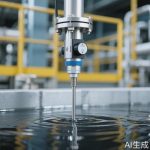
At their core, modern liquid level sensor chips are masterpieces of integrated circuit design. They move past rudimentary contact-based methods, leveraging advanced principles like capacitive sensing, ultrasonic echo-location, or optical detection. A capacitive sensor chip, for instance, measures the change in capacitance between its electrodes and the liquid (or the container wall). This minute electrical variation, processed by the chip’s onboard intelligence, translates into a precise level reading—all without any moving parts touching the fluid. This non-invasive nature is a game-changer, preventing contamination and enabling monitoring in corrosive, sterile, or high-purity environments like pharmaceutical bioreactors or semiconductor fabrication cleanrooms.
The true power of these chips lies in their integration and intelligence. Today’s sensor chips are not passive components; they are smart systems-on-a-chip (SoCs). They come equipped with built-in microcontrollers, signal conditioning circuits, temperature compensation algorithms, and standardized digital output interfaces like I2C or SPI. This means they can process raw sensor data locally, filter out noise, and communicate a clean, reliable digital reading directly to a host system. For engineers and product designers, this simplifies development dramatically, reducing external component count and accelerating time-to-market for everything from smart home appliances to automotive fluid monitoring systems.
Consider the impact across industries. In the automotive sector, these chips meticulously monitor engine oil, brake fluid, battery electrolyte, and AdBlue levels, feeding vital data to the vehicle’s central computer to optimize performance and trigger maintenance alerts. In consumer appliances, they are the reason your espresso machine knows when the water tank is empty and your washing machine can auto-detect load size for optimal water usage. On a grander scale, in agriculture, sensor chips enable precision irrigation systems, measuring water levels in tanks and soil moisture to conserve a precious resource. The medical field relies on their unwavering accuracy for infusion pumps, dialysis machines, and liquid oxygen reservoirs, where a millimeter’s discrepancy can have critical consequences.
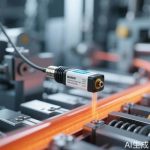
Furthermore, the advent of the Industrial Internet of Things (IIoT) has catapulted the role of liquid level sensor chips into the strategic realm. When paired with wireless connectivity modules, these chips become nodes in a vast network of industrial intelligence. A sensor chip on a remote chemical storage tank can now transmit real-time level data, temperature, and even predictive maintenance alerts directly to a cloud-based dashboard. This enables proactive supply chain management, prevents costly overflows or run-dry scenarios, and facilitates condition-based monitoring, ushering in an era of unprecedented operational efficiency and safety compliance.
However, the journey is not without its challenges. Designing a robust liquid level sensor chip requires overcoming hurdles like fluid property variations (different conductivities, dielectric constants, and viscosities), foam formation, condensation, and extreme environmental conditions. Leading semiconductor companies are relentlessly innovating, developing chips with multi-parameter sensing capabilities, enhanced self-diagnostics, and ultra-low power consumption for battery-operated, maintenance-free devices intended to last for years in the field.
As we look to a future shaped by automation, sustainability, and data-driven decision-making, the humble liquid level sensor chip stands as a pivotal enabler. It is a key that unlocks smarter resource management, enhances product reliability, and safeguards processes. From ensuring your car engine runs smoothly to protecting communities from industrial hazards and enabling the precise delivery of medication, these chips work tirelessly out of sight. They remind us that the most profound technological revolutions often begin not with a bang, but with the precise, silent measurement of a rising or falling liquid meniscus—a testament to the profound power of embedded intelligence.

Leave a Message