
In the intricate dance of modern industry, where precision dictates profit and safety is non-negotiable, one silent sentinel plays a more critical role than ever: the industrial temperature sensor. Far from the simple thermometers of the past, today’s sensors are intelligent, connected, and data-rich devices forming the nervous system of smart factories, power plants, and processing facilities. They are no longer just measuring points; they are decision-making nodes, driving unprecedented levels of operational excellence.
The stakes for accurate temperature monitoring are immense. In pharmaceutical manufacturing, a deviation of even a single degree can compromise an entire batch of life-saving vaccines. In the food and beverage sector, it ensures safety, quality, and compliance with stringent regulations. For chemical processing and oil & gas, it is the frontline defense against catastrophic equipment failure or dangerous exothermic reactions. The humble temperature reading, therefore, is directly tied to product integrity, asset longevity, regulatory compliance, and most importantly, human safety.
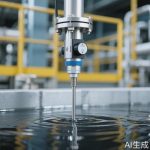
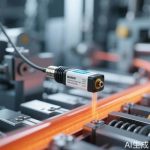
This evolution has been powered by a wave of technological advancements. Modern industrial temperature sensors, including Resistance Temperature Detectors (RTDs), thermocouples, and infrared non-contact sensors, are now integrated with microprocessors and wireless communication modules. They provide not just a measurement, but a stream of contextualized data. With features like built-in diagnostics, self-calibration alerts, and long-range, low-power connectivity (e.g., via Industrial IoT protocols), these devices predict maintenance needs before a failure occurs. They enable condition-based monitoring, moving away from rigid, schedule-based checks to a dynamic, data-driven approach.
The true power of these smart sensors is unlocked when their data is aggregated and analyzed. Feeding into a centralized Industrial Internet of Things (IIoT) platform or a Supervisory Control and Data Acquisition (SCADA) system, temperature data becomes part of a larger operational narrative. Machine learning algorithms can detect subtle, anomalous patterns in thermal behavior that would escape the human eye, forecasting potential issues in heat exchangers, reactors, or motors weeks in advance. This predictive capability transforms maintenance from a cost center into a strategic advantage, minimizing unplanned downtime and extending the capital lifecycle.
Furthermore, the integration of temperature data with other process variables—pressure, flow, vibration—creates a holistic view of system health. For instance, a gradual rise in bearing temperature coupled with an increase in vibration spectra provides a definitive early warning for mechanical wear. This synergy allows for root-cause analysis rather than symptom treatment, optimizing entire processes for energy efficiency, yield, and throughput. The result is a leaner, more agile, and more resilient operation.
Selecting the right sensor is a strategic decision. Engineers must consider the application’s specific demands: the temperature range, the required accuracy and response time, the environmental conditions (hazardous areas, moisture, corrosion), and the desired integration path into the digital infrastructure. A robust sensor deployed in a harsh foundry environment will differ vastly from a sterile, high-accuracy probe used in biotech fermentation. Partnering with suppliers who offer not just hardware but deep application engineering support is crucial for long-term success.
As we look to the future, the role of the industrial temperature sensor will only deepen. Emerging trends point toward even greater miniaturization, enhanced energy harvesting for truly wireless setups, and the increased use of fiber optic sensing for extreme environments. These sensors will be fundamental to the autonomous factory, providing the real-time thermal awareness necessary for self-optimizing systems. They are the foundational layer upon which the promises of Industry 4.0—agility, sustainability, and hyper-efficiency—are built.
In conclusion, industrial temperature sensors have transcended their basic measurement function to become pivotal enablers of intelligence and automation. They are the critical link between the physical and digital worlds, transforming heat into actionable insight. For any organization on the path to digital transformation, investing in a modern, smart temperature sensing network isn’t just an equipment upgrade; it’s a strategic imperative to secure safety, ensure quality, and unlock new frontiers of operational performance. The message is clear: to control your process’s future, you must first master its temperature.

Leave a Message