
For decades, the industrial valve was a workhorse of brute force—a component tasked with the simple, critical job of stopping, starting, or regulating the flow of a process medium. Its performance was often judged by its heft, its material, and its ability to withstand punishment. Yet, in an era of digital transformation and relentless efficiency drives, the humble valve is undergoing a profound intelligence upgrade. At the heart of this evolution lies a pivotal component: the industrial valve pressure sensor. No longer just a passive part, these sophisticated sensors are transforming valves from isolated mechanical devices into intelligent, data-generating nodes within the Industrial Internet of Things (IIoT).
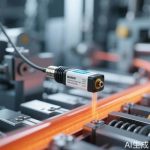
The integration of pressure sensors directly onto or within valve assemblies marks a paradigm shift. Traditional monitoring often involved standalone gauges or sensors installed at a distance in the pipeline, providing data that was delayed, localized, and sometimes disconnected from the valve’s actual operating state. Modern valve-mounted sensors, however, deliver real-time, valve-specific pressure data precisely where it matters most. This granular insight allows operators to monitor conditions upstream, downstream, or across the valve itself with pinpoint accuracy, enabling a level of control and diagnostics previously unimaginable.
The practical benefits of this synergy are vast and directly impact the bottom line. First and foremost is predictive maintenance. By continuously tracking pressure trends, these sensors can detect early warning signs of failure—such as gradual seal wear, cavitation, or the buildup of blockage—long before a catastrophic leak or rupture occurs. This shift from reactive, schedule-based maintenance to a predictive model slashes unplanned downtime, reduces repair costs, and dramatically extends valve service life. Furthermore, precise pressure control ensures optimal process conditions, enhancing product quality, minimizing waste of raw materials or energy, and ensuring consistent throughput.
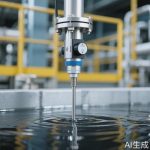
In critical applications, the value of intelligent pressure sensing is immeasurable. In oil and gas pipelines, sensors monitor for dangerous pressure surges or drops that could indicate leaks or integrity issues, enabling rapid automated shutdowns. In pharmaceutical and food & beverage manufacturing, they ensure sanitary processes remain within strict pressure parameters to guarantee product purity and safety. In water treatment plants, they help manage network pressure to prevent pipe bursts and optimize pumping efficiency. In each case, the sensor-equipped valve becomes a guardian of safety, compliance, and asset protection.
The true power of these devices is unlocked when their data is integrated into broader control systems and IIoT platforms. Wireless-enabled sensors can stream pressure data to centralized dashboards, where advanced analytics software identifies patterns, generates alerts, and even recommends actions. This creates a holistic view of the health and performance of an entire valve fleet across a facility. Engineers can now make data-driven decisions about process optimization, and management gains unprecedented visibility into operational efficiency and maintenance forecasting.
As Industry 4.0 accelerates, the future of the industrial valve is inextricably linked to smart sensing. We are moving towards valves that are self-diagnosing, self-calibrating, and capable of autonomous adjustment based on real-time process conditions. The pressure sensor is the essential sensory organ making this autonomy possible. It represents a small investment that yields outsized returns in reliability, safety, and operational intelligence.
In conclusion, the integration of advanced pressure sensors is not merely an add-on for industrial valves; it is a fundamental redefinition of their role. They evolve from static components into dynamic sources of critical operational intelligence. For any operation seeking to enhance safety, boost efficiency, and embrace the promise of digitalization, investing in smart valve pressure sensor technology is no longer a forward-looking option—it is an imperative step for building a resilient, competitive, and intelligent industrial infrastructure.

Leave a Message