
In the grand narrative of Industry 4.0, the spotlight often shines on artificial intelligence, predictive analytics, and the seamless flow of data across digital twins. Yet, beneath this layer of intelligent software lies a physical, often gritty, foundation: the industrial sensor. These unassuming devices are the frontline troops, the eyes and ears of the modern factory. Their performance is assumed, their data taken as gospel. But what happens when that assumption fails? The entire edifice of smart manufacturing—from quality control to predictive maintenance to supply chain optimization—rests on one critical, non-negotiable pillar: Industrial Sensor Reliability.
Reliability in this context transcends mere uptime. It is a multifaceted promise encompassing accuracy over extended periods, resilience against environmental extremes, and unwavering performance under duress. A sensor that drifts out of calibration by a fraction can cause a cascade of errors. A vibration sensor that fails in a dusty environment can miss the early warning signs of a bearing failure, leading to catastrophic downtime. In high-stakes processes—chemical production, pharmaceutical batch control, or precision machining—this isn’t just an operational hiccup; it’s a direct threat to safety, compliance, and profitability.
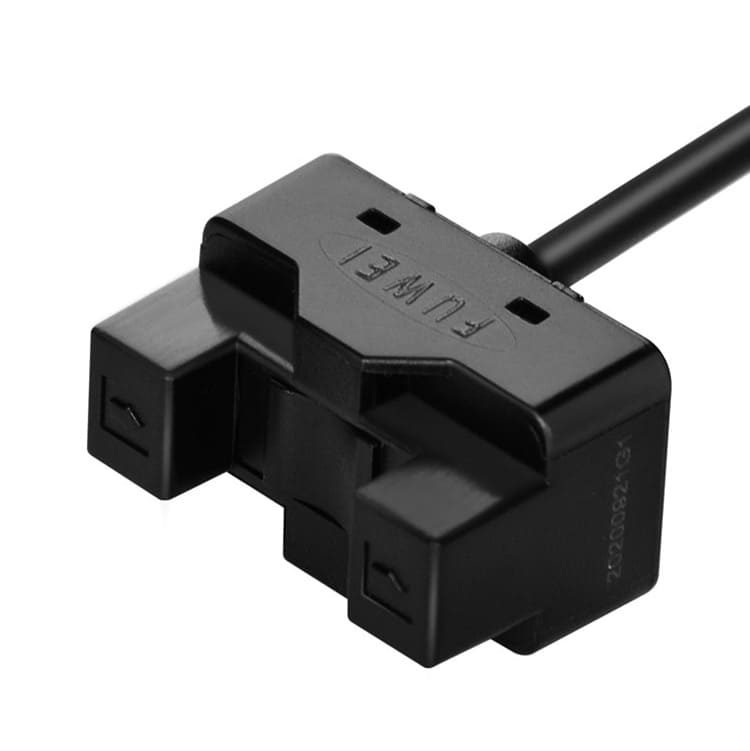
The journey to true reliability begins long before installation. It starts with design philosophy. Leading manufacturers are moving beyond standard commercial-grade components, employing military-grade or specially ruggedized parts designed for industrial lifetimes. This includes robust housing with high IP (Ingress Protection) and NEMA ratings to withstand dust, moisture, corrosive chemicals, and high-pressure washdowns. Internally, protection against electromagnetic interference (EMI) and voltage spikes is paramount, as electrical noise in a busy plant can corrupt the most precise signal.
However, robust hardware is only half the battle. The operating environment is the ultimate proving ground. Sensors in a steel mill face searing heat; those in a food processing plant endure sub-zero temperatures and constant sterilization. Reliability, therefore, is intrinsically linked to environmental specifications. A temperature sensor’s stated accuracy is meaningless if its own electronics cannot function at the extremes it is meant to measure. The most reliable sensors are those whose operational limits far exceed the expected conditions, building in a critical safety margin that accounts for unforeseen spikes and stresses.
This inherent robustness is what enables the next critical phase: predictive and proactive maintenance. A reliable sensor doesn’t just monitor the health of other assets; it communicates its own. Advanced diagnostic features, often enabled by integrated microprocessors, allow sensors to self-monitor parameters like signal strength, internal temperature, or component wear. They can alert operators to potential issues—such as lens fogging on an optical sensor or buildup on a capacitive level probe—before they impact data integrity. This transforms the sensor from a passive data point into an active, intelligent participant in the maintenance ecosystem.
The economic argument for investing in high-reliability sensors is compelling. While the initial capital expenditure (CapEx) may be higher than for a standard device, the total cost of ownership (TCO) tells a different story. Consider the costs associated with a failure: production downtime, wasted raw materials, scrapped product, emergency maintenance labor, and potential safety incidents. A single avoided failure can pay for a suite of premium sensors. Furthermore, reliable data is the fuel for effective AI and machine learning models. “Garbage in, garbage out” remains a fundamental law of computing; unreliable sensors produce noisy, misleading data that can derail even the most sophisticated analytics platform, leading to poor decisions and missed opportunities.
Ultimately, industrial sensor reliability is about trust. It is the trust that a pressure reading in a remote pipeline is accurate, that a gas detection alarm will sound without fail, that the count of finished goods is perfect. This trust enables autonomy, reduces human intervention, and allows engineers and plant managers to focus on optimization rather than verification. It is the silent, unwavering guarantee that allows the promises of the digital factory to become a tangible, profitable reality.
As we push the boundaries of automation and connectivity, the demand on these fundamental components will only intensify. The future belongs not just to sensors that are smart, but to sensors that are steadfast. Choosing partners who prioritize reliability in design, testing, and support is no longer a technical specification—it is a strategic business decision. Because in the connected industry of tomorrow, the weakest sensor isn’t just a broken component; it’s a broken link in the entire chain of intelligence.
Leave a Message