
For decades, monitoring temperature in industrial settings was a manual, reactive, and often imprecise task. A technician with a clipboard would make the rounds, jotting down numbers from analog gauges, hoping to catch an anomaly before it escalated into downtime or product loss. This approach, while foundational, was riddled with blind spots. Enter the era of the Industrial Internet of Things (IIoT), where temperature sensing has been transformed from a simple measurement into a strategic, data-driven cornerstone of modern operations. Industrial IoT temperature sensors are no longer just thermometers; they are intelligent, connected nodes in a vast digital nervous system, providing unprecedented visibility, control, and predictive power.
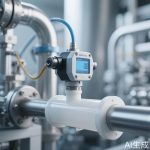
At their core, Industrial IoT temperature sensors are sophisticated devices that combine high-accuracy sensing elements with embedded connectivity—typically via wireless protocols like LoRaWAN, NB-IoT, or cellular, or wired industrial networks. They are engineered for the harsh realities of industrial environments: resistant to dust, moisture, extreme temperatures, and corrosive substances. Unlike their predecessors, these sensors don’t just collect data; they transmit it in real-time to cloud platforms or edge computing systems, where it is aggregated, analyzed, and turned into actionable insights.
The transformative impact of this shift is profound. Consider predictive maintenance, the holy grail of industrial efficiency. A traditional sensor might alert you when a motor’s bearing overheats, but by then, damage is already occurring. An IIoT temperature sensor, continuously monitoring thermal patterns, can identify a gradual, abnormal rise in temperature weeks in advance. Machine learning algorithms analyze this trend against historical data, predicting a potential failure with high accuracy. This allows maintenance to be scheduled proactively, preventing catastrophic breakdowns, reducing spare parts inventory, and saving hundreds of thousands in unplanned downtime and repair costs.
In process industries like pharmaceuticals, food and beverage, and chemicals, regulatory compliance and product quality are paramount. IoT sensors enable end-to-end thermal monitoring across the entire supply chain. From fermentation tanks and pasteurization lines to storage warehouses and refrigerated transport, every critical temperature point is logged automatically. This creates an immutable, digital audit trail, ensuring strict adherence to HACCP, FDA, or other regulatory standards. Deviations trigger instant alerts, allowing for immediate corrective action before an entire batch is compromised, safeguarding both product integrity and brand reputation.
Energy management is another frontier where these sensors deliver immense value. In large facilities, heating and cooling can account for a massive portion of operational expenses. A network of IoT temperature sensors provides a granular, real-time map of thermal conditions. This data can optimize HVAC system performance, identify insulation leaks, and enable zone-based climate control. By ensuring energy is used only where and when it is needed, facilities can achieve significant reductions in their carbon footprint and utility bills, contributing directly to both sustainability goals and the bottom line.
Furthermore, the integration of temperature data with other IIoT streams—vibration, pressure, flow rate, and energy consumption—creates a holistic view of asset health and process efficiency. This contextualized data empowers engineers and managers to move beyond siloed metrics. They can now understand complex cause-and-effect relationships, such as how ambient warehouse temperature affects packaging line efficiency or how motor temperature correlates with specific production loads, enabling truly optimized and agile operations.
Implementing an IIoT temperature monitoring system is no longer a daunting, capital-intensive project. Modern solutions are scalable, modular, and designed for rapid deployment. Companies can start with a pilot in a critical area, such as a remote pump station or a valuable storage freezer, and expand the network as ROI becomes evident. The key lies in choosing a platform that offers robust data security, seamless integration with existing SCADA or ERP systems, and intuitive dashboards that turn raw data into clear, decision-ready visualizations for staff at all levels.
In conclusion, Industrial IoT temperature sensors represent a fundamental leap from monitoring to intelligence. They are the critical first touchpoint in a data value chain that drives predictive maintenance, ensures quality and compliance, optimizes energy use, and unlocks operational efficiencies at scale. In today’s competitive and resource-conscious landscape, the question for industrial leaders is no longer whether they can afford to deploy such a system, but whether they can afford the cost of ignorance without it. The future of industrial operations is not just measured in degrees—it’s measured in data, insights, and resilience.

Leave a Message