
In the intricate dance of modern industry, where precision is paramount and downtime is the ultimate enemy, a silent revolution is taking place. At the heart of countless processes—from the sterile corridors of a pharmaceutical plant to the scorching depths of an oil well—lies a humble yet critical component: the temperature sensor. But not all sensors are created equal. The quest for durability, accuracy, and longevity has given rise to a new generation of engineering marvels: Long-Life Temperature Sensors. These are not mere components; they are the unsung guardians of continuity, designed to withstand the test of time and the harshest environments imaginable.
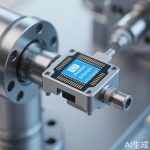
What exactly defines a “long-life” sensor? It transcends a simple extended warranty. It embodies a fundamental design philosophy focused on resilience. This involves the use of premium, corrosion-resistant materials like Inconel sheaths, advanced ceramic insulators, and specially formulated thermocouple or RTD elements. Their construction minimizes drift—the gradual deviation from true temperature readings—ensuring that accuracy isn’t sacrificed for durability. Furthermore, they are engineered to resist mechanical stress, thermal cycling fatigue, and chemical attack, making them indispensable in applications where replacement is prohibitively expensive, dangerous, or simply impossible.
The economic argument for investing in long-life temperature sensors is compelling. Consider a sensor installed in a remote subsea pipeline or within the high-temperature reactor of a chemical processing unit. A failure here doesn’t just mean the cost of a new sensor. It triggers a cascade of expenses: production halts, emergency maintenance crews, lost revenue, and potential safety hazards. A sensor built to last for decades, rather than years, transforms from a consumable item into a capital asset. It dramatically reduces total cost of ownership by eliminating frequent replacement cycles and the operational vulnerabilities they introduce.
In sectors where safety is non-negotiable, such as oil & gas, nuclear power, and aerospace, the reliability of long-life sensors is priceless. They provide unwavering vigilance in monitoring engine temperatures, reactor cores, and flare stack operations. Their robust design ensures signal integrity even in the presence of extreme vibration, pressure, and electromagnetic interference. This relentless reliability forms the backbone of predictive maintenance strategies, allowing engineers to move from reactive fixes to proactive system management, thereby preventing catastrophic failures before they occur.
The impact extends into the realm of sustainability and smart manufacturing. Long-life sensors are a cornerstone of Industry 4.0. Their stable, long-term data streams are crucial for training accurate AI models and optimizing processes for energy efficiency. In renewable energy systems, like geothermal plants or concentrated solar power arrays, they endure brutal temperature swings for years, ensuring maximum energy harvest and grid stability. By reducing waste from failed components and enabling more efficient operations, these sensors contribute directly to greener industrial practices.
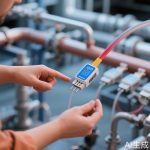
Choosing the right long-life sensor requires a partnership with a knowledgeable provider. It’s not a one-size-fits-all solution. Factors such as the specific temperature range, thermal cycling frequency, ambient atmosphere (oxidizing, reducing, or vacuum), and required response time must be meticulously analyzed. Leading manufacturers work closely with clients to engineer custom solutions—perhaps a mineral-insulated, metal-sheathed RTD for a high-vibration turbine or a specialized high-temperature thermocouple for a glass melting furnace—ensuring the sensor is not just long-lasting, but perfectly matched to its mission.
In conclusion, Long-Life Temperature Sensors represent a paradigm shift from viewing instrumentation as disposable to valuing it as a permanent, reliable source of truth. They are the critical infrastructure within your infrastructure, enabling safer operations, unlocking significant cost savings, and providing the dependable data needed to drive innovation and efficiency. In a world that demands unwavering performance, settling for anything less than a sensor built for the long haul is a risk no forward-thinking industry can afford to take. The future of reliable measurement isn’t just about sensing temperature; it’s about enduring it, year after relentless year.
Leave a Message