
When we think of temperature measurement, the humble household thermometer often comes to mind. Yet, in today’s interconnected and automated world, temperature sensors have evolved far beyond that simple instrument. They are the unsung, invisible sentinels embedded in the fabric of our daily lives and industries, driving efficiency, ensuring safety, and enabling innovation. From the smartphone in your pocket to the vast smart grids powering cities, temperature sensing applications are foundational to modern technology.
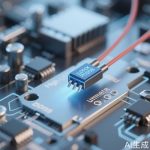
At their core, temperature sensors are devices that convert thermal energy into readable data. Modern variants, including thermocouples, Resistance Temperature Detectors (RTDs), thermistors, and infrared sensors, offer varying degrees of precision, range, and responsiveness. This versatility is what unlocks their staggering range of applications. They are no longer just for telling us if we have a fever; they are critical components in predictive maintenance, energy management, healthcare breakthroughs, and environmental conservation.
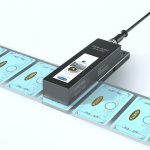
One of the most impactful domains is industrial automation and manufacturing. Here, precise temperature control is not a luxury but a necessity. In chemical processing, sensors maintain exact reaction temperatures to ensure product quality and safety. In semiconductor fabrication, where nanometer-scale circuits are etched, even a minute temperature fluctuation can ruin an entire batch of microchips. Temperature sensors integrated into machinery also enable condition monitoring, predicting equipment failure before it happens by detecting abnormal heat signatures in motors or bearings, saving millions in downtime and repairs.
The revolution of the smart home is profoundly dependent on these tiny components. Your smart thermostat learns your schedule and preferences, using ambient temperature data to optimize HVAC usage, reducing energy bills and your carbon footprint. Refrigerators monitor internal climate to keep food fresher longer. Even gaming consoles and computers employ sophisticated thermal management systems with multiple sensors to prevent overheating, ensuring peak performance and hardware longevity. Temperature sensing provides the basic environmental awareness that makes a house “smart.”
In healthcare and medical technology, the role of temperature sensors is lifesaving. They are integral to portable diagnostic devices, vaccine cold chain monitoring, and advanced laboratory equipment. Incubators for newborns maintain a critically stable thermal environment. Wearable health monitors can track core body temperature trends, providing early warnings for infections or metabolic issues. Furthermore, in medical imaging systems like MRI machines, superconducting magnets must be kept at extremely low temperatures, a process meticulously governed by arrays of sensitive sensors.
Transportation and automotive systems have also been transformed. Modern vehicles contain dozens of temperature sensors monitoring engine coolant, cabin air, battery packs (especially in EVs), and transmission fluid. In electric vehicles, managing the thermal condition of the lithium-ion battery is paramount for safety, performance, and lifespan. Advanced driver-assistance systems (ADAS) and future autonomous vehicles may use infrared thermal cameras (which detect heat signatures) for night vision and pedestrian detection, adding a crucial layer of safety beyond visible light cameras.
Looking ahead, the convergence of the Internet of Things (IoT) and Artificial Intelligence is pushing temperature sensing into new frontiers. Networks of wireless, low-power sensors are being deployed in agriculture to monitor soil and micro-climate conditions, enabling precision irrigation and boosting crop yields. In data centers, AI algorithms analyze sensor data from thousands of points to dynamically cool servers, drastically cutting the enormous energy costs of cooling. Researchers are even developing biodegradable temperature sensors for environmental monitoring and implantable medical devices.
In conclusion, temperature sensor applications represent a perfect example of how a fundamental physical measurement has become a cornerstone of digital intelligence. They provide the critical data that allows systems to not just react, but to predict, adapt, and optimize. As we advance towards a more connected and automated future, these discreet devices will continue to be pivotal, ensuring our world runs not just smarter, but also safer and more sustainably. The next time you feel your phone adjust its brightness or your car maintain a perfect cabin climate, remember the sophisticated network of temperature sensors working silently in the background, making it all possible.

Leave a Message