
In the intricate dance of modern industrial processes, where precision is paramount and efficiency is king, one component often operates in the background, unseen yet indispensable: the gas temperature sensor. Far more than a simple thermometer, these sophisticated devices are the silent sentinels of safety, the guardians of quality, and the unsung heroes of energy conservation. From the roaring furnaces of steel plants to the sterile environments of pharmaceutical cleanrooms, and from the exhaust streams of automotive engines to the vast networks of HVAC systems, gas temperature sensors provide the critical data that keeps our world running smoothly, safely, and sustainably.
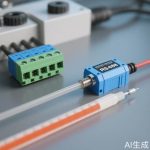
The core function of a gas temperature sensor is elegantly simple: to accurately measure the temperature of a gaseous medium. However, achieving this reliably in harsh, dynamic, and often corrosive environments is a feat of engineering. Modern sensors employ a variety of technologies, each suited to specific challenges. Thermocouples, rugged and capable of withstanding extreme temperatures, are workhorses in combustion and high-heat applications. Resistance Temperature Detectors (RTDs) offer superior accuracy and stability for processes requiring fine control, such as in chemical reactors or food processing. Infrared pyrometers, which measure thermal radiation without contact, are ideal for moving gases or applications where contamination must be avoided. The choice of sensor is a critical decision, directly impacting system performance, product quality, and operational costs.
The true value of these sensors is unlocked in their application. In industrial manufacturing, precise temperature control of process gases is vital. A few degrees of deviation in a heat treatment furnace can compromise the metallurgical properties of a component. In chemical production, reaction rates are intensely temperature-dependent; accurate sensing ensures yield, purity, and safety. The energy sector relies heavily on these sensors to monitor combustion efficiency in power plants, optimizing fuel use and minimizing harmful emissions. Here, gas temperature sensors are not just measurement tools but active contributors to environmental stewardship and regulatory compliance.
Perhaps the most critical role is in safety systems. In enclosed spaces, monitoring the temperature of gases can provide early warning of overheating equipment, electrical faults, or the onset of a fire. In engine exhaust systems, sensors ensure catalytic converters operate at their optimal temperature, maximizing the breakdown of pollutants. They are integral to fire suppression systems, triggering alarms and responses before a situation becomes catastrophic. This proactive protection of assets and, more importantly, human life, underscores the sensor’s role as a fundamental safety component.
Today’s advancements are pushing the boundaries of what these sensors can do. The integration of smart technology and the Industrial Internet of Things (IIoT) is transformative. Modern gas temperature sensors can now communicate data wirelessly, perform self-diagnostics, and even predict maintenance needs before a failure occurs. This shift from reactive monitoring to predictive analytics allows for unprecedented levels of operational intelligence. Plant managers can visualize temperature trends across an entire facility in real-time, automate control loops with greater precision, and significantly reduce unplanned downtime. The data harvested becomes a powerful asset for continuous process improvement.
Selecting and maintaining the right sensor is crucial. Factors such as temperature range, response time, chemical compatibility of the sensor sheath, and the need for explosion-proof certification must be carefully considered. Proper installation, away from radiant heat sources or in a representative flow, is key to obtaining a true reading. Regular calibration ensures that the sensor’s accuracy does not drift over time, safeguarding the integrity of the entire control system it supports. A small investment in the correct sensor and its upkeep can prevent massive losses in production, quality, and safety.
As industries worldwide strive for greater efficiency, lower emissions, and higher quality, the humble gas temperature sensor stands at the forefront of this evolution. It is a prime example of how a focused, reliable measurement can have an outsized impact on complex systems. They are the essential data points that inform smarter decisions, enable automation, and build a foundation for safer, cleaner, and more productive industrial operations. In the quest to build a more intelligent and responsive industrial landscape, the precise knowledge of ‘how hot’ or ‘how cold’ provided by these sensors is, quite literally, invaluable.
Leave a Message