
In the vast, intricate network of pipes, tanks, and filtration systems that deliver clean water to our homes and industries, countless silent sentinels stand guard. Among them, one technology plays a disproportionately critical role in ensuring safety, efficiency, and reliability: the water treatment pressure sensor. Far more than a simple gauge, these sophisticated devices are the nervous system of modern water infrastructure, transforming raw data into actionable intelligence that protects public health and conserves vital resources.
At its core, a pressure sensor in a water treatment plant or distribution system does exactly what its name implies: it measures the force exerted by water within a closed environment. But this simple measurement is the key to unlocking a world of operational excellence. From the moment source water is drawn in, through coagulation, sedimentation, filtration, and disinfection, to the final push into miles of distribution mains, maintaining precise pressure is non-negotiable. Too low, and the risk of contamination ingress or inadequate service rises. Too high, and the strain on pipes, valves, and pumps accelerates, leading to costly leaks and potential failures. Modern pressure sensors provide the continuous, real-time feedback needed to walk this tightrope perfectly.
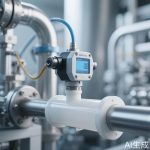
The evolution of these sensors has been remarkable. Gone are the days of purely mechanical gauges requiring manual reading. Today’s sensors are intelligent, often incorporating micro-electromechanical systems (MEMS) technology, ceramic or silicon cells, and robust stainless-steel housings to withstand harsh chemical and aquatic environments. They output precise electrical signals—4-20 mA, 0-10V, or digital protocols like Modbus or IO-Link—seamlessly integrating with Supervisory Control and Data Acquisition (SCADA) systems and the Industrial Internet of Things (IIoT). This connectivity allows for predictive maintenance, where a gradual drift in pressure readings at a pump’s discharge can signal impending wear long before a catastrophic breakdown occurs.
Consider the critical process of membrane filtration, such as reverse osmosis (RO) or ultrafiltration (UF). Here, pressure is not just a metric; it is the driving force of the entire separation process. Differential pressure sensors meticulously monitor the pressure drop across these membranes. A rising differential pressure is a direct indicator of membrane fouling or scaling. By tracking this trend, operators can optimize backwash cycles and chemical cleaning schedules, maximizing membrane lifespan, reducing energy consumption (as clogged membranes require higher pump pressure), and ensuring consistent water quality. Without this sensor data, the process would be blind, inefficient, and prone to sudden, disruptive failures.
Beyond process control, pressure sensors are frontline defenders of public safety. They are integral to leak detection systems. A sudden, unexplained drop in pressure in a specific zone of the distribution network can trigger an immediate alert, allowing utilities to locate and repair leaks before they escalate into major water loss events or sinkholes. In pumping stations, sensors prevent dangerous conditions like pump cavitation (caused by insufficient inlet pressure) or dead-heading (caused by excessive discharge pressure with no flow), protecting expensive capital equipment. They also ensure that disinfectant contact tanks maintain proper head, guaranteeing pathogens are exposed to chlorine or UV light for the legally required duration to be neutralized.
The future of water treatment pressure sensing is one of even greater intelligence and integration. The next generation of sensors will feature embedded diagnostics, self-calibration capabilities, and enhanced cybersecurity to protect critical infrastructure. As utilities strive for net-zero operations, the role of pressure data in optimizing energy-intensive pumping will become paramount. Furthermore, the aggregation of pressure data across entire networks, analyzed by artificial intelligence, will enable system-wide modeling for unprecedented resilience and planning.
In conclusion, while they may be small and often out of sight, water treatment pressure sensors are indispensable. They are the cornerstone of a data-driven approach to water management, turning the flow of water into a flow of information. This information safeguards our health, protects our infrastructure, and conserves both water and energy. Investing in advanced, reliable pressure sensing technology is not merely an operational upgrade; it is a fundamental commitment to delivering one of life’s most essential resources safely, sustainably, and smartly. In the mission for clean water, the pressure sensor is, without doubt, an unsung hero.

Leave a Message