
In the intricate circulatory system of modern industry—from sprawling chemical plants and power generation facilities to precision pharmaceutical manufacturing and district heating networks—pipes are the vital arteries. They carry the lifeblood of processes: steam, chilled water, hydrocarbons, and complex chemical flows. For decades, monitoring the health of these systems often relied on sporadic manual checks or basic, point-based measurements. This left a critical blind spot, a gap between assumed performance and actual conditions. Today, that gap is being decisively closed by a new generation of intelligent Pipe Temperature Sensors, transforming passive infrastructure into data-rich, communicative assets.
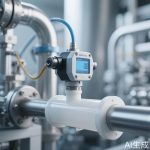
The core function of a pipe temperature sensor seems straightforward: measure temperature. However, the modern incarnation of this tool is anything but simple. These are no longer just thermocouples or RTDs strapped to a pipe. Advanced pipe temperature sensors are engineered systems. They combine high-accuracy sensing elements with robust, often weatherproof and corrosion-resistant housings, designed for permanent installation and continuous monitoring. Key variants include surface-mounted sensors for non-invasive monitoring of pipe exteriors, and immersion sensors that penetrate into the fluid stream for direct measurement. The choice depends on critical factors like pipe material, insulation, required accuracy, and the process medium itself.
The true revolution, however, lies in connectivity and intelligence. Contemporary Pipe Temperature Sensors are increasingly ‘smart’. They integrate wireless transmitters (using protocols like LoRaWAN, NB-IoT, or WirelessHART) or are hardwired into Industrial IoT (IIoT) networks. This enables real-time, remote monitoring of temperature profiles across vast facilities from a central dashboard. The data they provide is the cornerstone for predictive maintenance, moving far beyond simple alarm triggers for over-temperature conditions. By tracking subtle temperature trends—a gradual cooling in a steam line indicating insulation breakdown, or an anomalous heat buildup signaling a pump failure or blockage upstream—these sensors allow engineers to address issues before they escalate into costly downtime, product loss, or safety incidents.
The applications are as diverse as industry itself. In energy generation and district heating, precise temperature control is synonymous with efficiency. Sensors ensure optimal heat transfer, minimize thermal losses, and protect against dangerous overheating or freezing. In chemical and pharmaceutical processing, maintaining exact temperatures is often a strict requirement for product quality, reaction control, and safety. A deviation of just a few degrees can render a batch worthless or create hazardous conditions. Here, networked pipe temperature sensors provide an auditable trail of compliance. In food and beverage production, they are guardians of hygiene and process integrity, ensuring pasteurization temperatures are met and chilling loops operate flawlessly.
Perhaps the most compelling argument for advanced pipe temperature monitoring is its role in enhancing safety and sustainability. Undetected leaks, insulation failures, or overheating pipes pose significant risks, including fire, environmental contamination, and energy waste. Continuous sensor networks act as an always-on sentinel system. They can detect the tell-tale temperature signature of a leak (a cold spot on a hot pipe, or vice-versa) long before it becomes visible or catastrophic. This proactive approach prevents incidents, protects personnel, and minimizes environmental impact. Furthermore, by identifying inefficiencies, these systems directly contribute to reducing energy consumption and greenhouse gas emissions, aligning operational goals with environmental stewardship.
Implementing a successful sensor strategy requires careful planning. It involves selecting the right sensor type and mounting method, determining optimal placement to capture representative data (avoiding elbows, valves, or external heat sources), and integrating the data stream into existing control systems or analytics platforms. The goal is to create a comprehensive thermal map of the piping network, turning unseen flows into actionable intelligence.
In conclusion, the humble pipe temperature sensor has evolved into a sophisticated nerve ending for the industrial body. It is a critical enabler of the digital transformation sweeping through infrastructure management. By providing continuous, accurate, and accessible temperature data, these devices empower organizations to shift from reactive firefighting to predictive optimization. They safeguard assets, ensure process integrity, boost efficiency, and uphold the highest safety standards. In a world where margin for error is shrinking and the demand for efficiency is soaring, investing in intelligent Pipe Temperature Sensors is not merely an upgrade to instrumentation—it is a strategic investment in resilience, competitiveness, and sustainable operation.


Leave a Message