
In the pulsating heart of modern industry—from the depths of oil wells to the sterile corridors of pharmaceutical plants and the automated lines of automotive assembly—there exists a silent, unsung hero: the industrial pressure sensor. Far more than a simple gauge, today’s advanced pressure transducers are the critical nerve endings of operational technology, feeding vital data that drives efficiency, ensures safety, and unlocks unprecedented levels of process intelligence. As we venture deeper into the era of Industry 4.0 and the Industrial Internet of Things (IIoT), these devices are undergoing a radical transformation, becoming smarter, more connected, and fundamentally indispensable.
Gone are the days when pressure measurement was merely about monitoring a dial. Contemporary industrial pressure sensors are sophisticated micro-electromechanical systems (MEMS) or piezoelectric powerhouses, capable of withstanding extreme temperatures, corrosive media, and relentless vibration. They translate the physical force of gases or liquids into precise, real-time electrical signals. This data is the lifeblood for control systems, enabling the precise regulation of everything from hydraulic pressure in manufacturing robots to pipeline integrity in energy distribution and cleanroom environments in chip fabrication. The consequence of failure is not just downtime; it can be catastrophic, making reliability and accuracy non-negotiable.
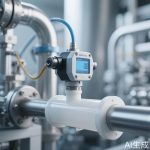
The true revolution, however, lies in connectivity and intelligence. The latest generation of smart pressure sensors comes embedded with microprocessors, digital communication protocols like IO-Link, HART, or wireless capabilities. This allows them to do much more than send a basic analog signal. They can self-diagnose, alerting maintenance teams to potential issues like drift, clogging, or electrical faults before they impact production—a cornerstone of predictive maintenance strategies. They can communicate detailed health status, process variables, and even environmental data, feeding rich information directly into cloud platforms for big data analytics.
This data-driven approach is transforming operational paradigms. In a smart factory, pressure sensors on a compressor don’t just prevent over-pressurization; they analyze consumption patterns to optimize energy use, reducing both costs and carbon footprint. In water treatment facilities, networked sensors monitor filtration pressure across the entire plant, automatically adjusting flows to maintain efficiency and guarantee water quality. The ability to collect and correlate pressure data with temperature, flow, and vibration readings creates a holistic view of asset health and process performance, enabling optimization that was previously impossible.
Furthermore, the impact on safety and compliance is profound. In hazardous environments such as chemical processing or oil and gas, pressure sensors are integral to Safety Instrumented Systems (SIS). Their fail-safe designs and high integrity levels provide the reliable data needed to initiate automatic shutdowns in critical over- or under-pressure scenarios, protecting both human lives and multi-million dollar infrastructure. The digital trail provided by smart sensors also simplifies regulatory compliance, offering tamper-evident, auditable records for industries under strict scrutiny.
Looking ahead, the trajectory is clear: integration, miniaturization, and enhanced intelligence. Pressure sensors will continue to converge with other sensing modalities, becoming multi-parameter nodes on the IIoT network. Advances in materials science will push the boundaries of their operational envelopes, while edge computing will empower them to make localized decisions, reducing latency and network load. The humble pressure sensor is evolving from a passive component into an active, intelligent participant in the industrial ecosystem.
In conclusion, industrial pressure sensors have moved far beyond their mechanical ancestors. They are now pivotal, intelligent components that safeguard operations, unlock efficiency, and provide the essential data fuel for digital transformation. For any industry aiming to thrive in a competitive, data-centric world, investing in and understanding the capabilities of advanced pressure sensing technology is not just an operational decision—it’s a strategic imperative. The pressure is on, and these smart devices are rising magnificently to the challenge.

Leave a Message