
In the heart of a modern factory, a silent, tireless revolution is underway. It’s not led by robotic arms or automated conveyors alone, but by a network of unassuming sentinels: industrial detection sensors. These sophisticated devices are the foundational nervous system of Industry 4.0, transforming raw data into actionable intelligence and empowering machines to perceive their environment with superhuman precision. From ensuring a chocolate bar is perfectly wrapped to guaranteeing the structural integrity of an aircraft wing, detection sensors are the critical, often invisible, force driving quality, safety, and efficiency to unprecedented levels.
Gone are the days of relying solely on manual inspection and reactive maintenance. Today’s industrial landscape demands proactive, data-driven decision-making. Detection sensors fulfill this need by continuously monitoring a vast array of physical parameters—presence, position, color, temperature, pressure, vibration, gas composition, and more. Photoelectric sensors detect the subtlest changes in light, inductive sensors identify metallic objects without contact, and ultrasonic sensors measure distance or level with sound waves. Vision systems, equipped with advanced cameras and AI, perform complex inspections at speeds and accuracies no human team could match. This constant stream of real-time data creates a digital twin of the physical process, allowing for microscopic control and optimization.
The impact on operational efficiency is profound. Consider a high-speed bottling line. A single misaligned cap or underfilled bottle can lead to significant waste and downtime. A network of sensors—checking fill levels, cap placement, label position, and bottle integrity—catches these anomalies in milliseconds, triggering immediate corrective action. This not only minimizes waste but also prevents minor issues from cascading into major production halts. Predictive maintenance, powered by vibration and thermal sensors, takes this further by analyzing equipment health. By detecting early signs of wear in motors or bearings, factories can schedule maintenance before a failure occurs, avoiding costly unplanned downtime and extending asset life.
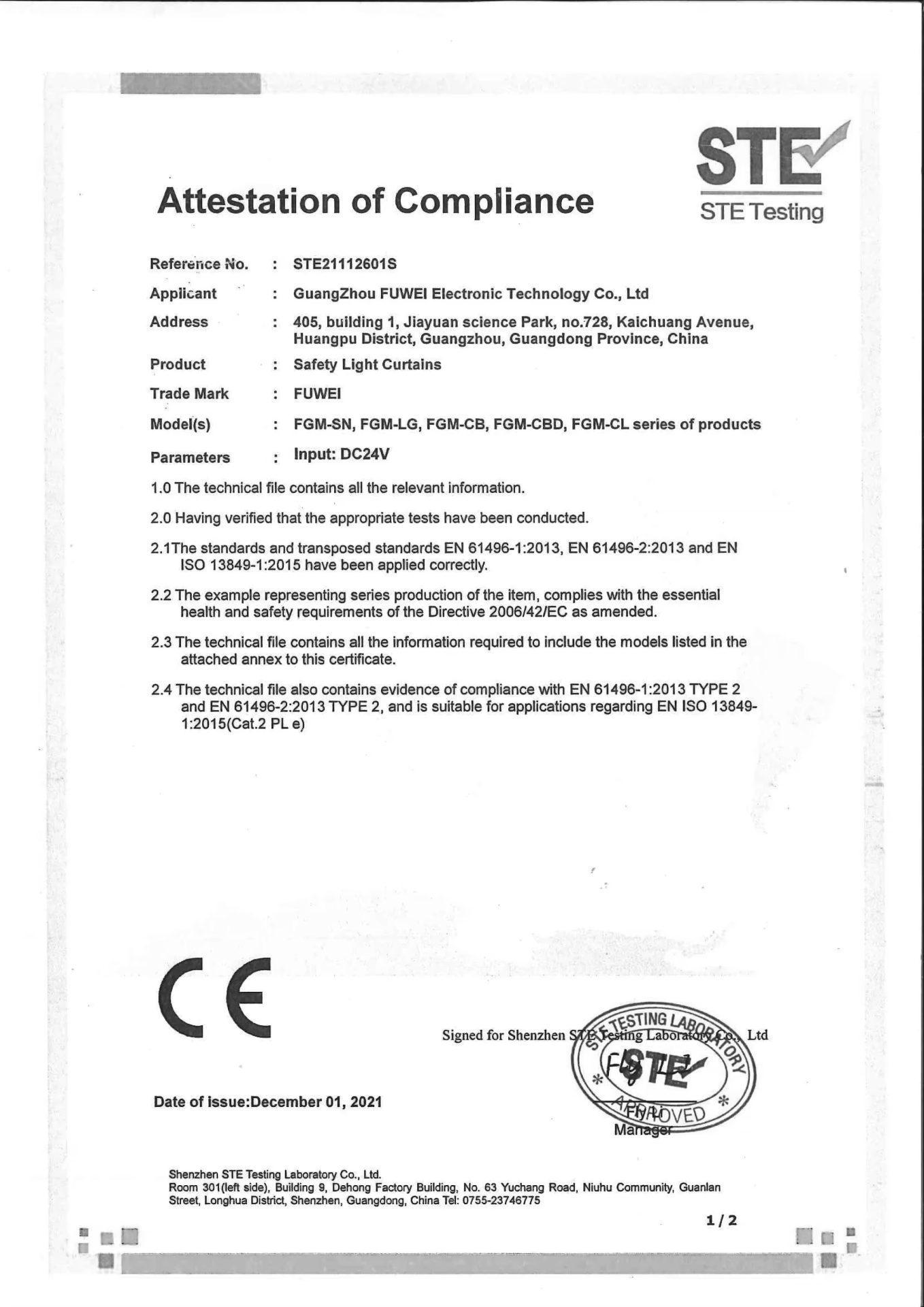
Perhaps the most significant contribution of these sensors is to human and environmental safety. In hazardous environments where toxic gases, flammable materials, or extreme temperatures are present, sensors act as the first line of defense. Gas detection sensors provide early warnings of leaks, allowing for safe evacuation and intervention. Machine safety systems use safety light curtains and laser scanners to create invisible protective fields around dangerous machinery, instantly stopping operation if a worker breaches the zone. This technology creates safer workplaces, protecting the most valuable asset of any industry: its people.
The journey of a product, from raw material to finished good, is now a fully traceable story written by sensor data. This traceability is crucial for industries like pharmaceuticals and food & beverage, where regulatory compliance and consumer safety are paramount. Sensors monitor and record environmental conditions (temperature, humidity) during storage and transport, ensuring products like vaccines or fresh produce are maintained within strict parameters. This end-to-end visibility builds consumer trust, ensures quality control, and simplifies compliance reporting.
As we look to the future, the evolution of industrial detection sensors is intertwined with the rise of the Industrial Internet of Things (IIoT) and Artificial Intelligence. Sensors are becoming smarter, smaller, and more interconnected. They are no longer just data collectors but intelligent nodes capable of edge computing—processing information locally and making decentralized decisions. AI algorithms can now analyze complex sensor data patterns to predict quality deviations or optimize energy consumption in real-time. The factory of tomorrow will be a self-optimizing ecosystem, where detection sensors provide the sensory input for a continuously learning and adapting digital brain.
In conclusion, industrial detection sensors are far more than simple switches or meters. They are the essential enablers of a smarter, safer, and more sustainable industrial world. By granting machines the power of perception, they bridge the gap between the physical and digital realms, unlocking levels of precision, efficiency, and reliability that were once unimaginable. For any business seeking to thrive in the competitive landscape of modern manufacturing, investing in and understanding this silent, sensing revolution is not just an option—it is an imperative.
Leave a Message