
In the pulsating heart of modern industry, where precision is paramount and downtime is the ultimate enemy, a quiet revolution is underway. It’s not about bigger machines or faster robots, but about smarter data. At the forefront of this transformation are Industrial Ethernet Temperature Sensors—no longer simple monitoring devices, but intelligent, networked nodes that are fundamentally reshaping how we manage thermal processes, ensure quality, and drive operational excellence. Moving beyond the limitations of traditional 4-20mA or proprietary fieldbus systems, these sensors are the critical sensory organs of the Industrial Internet of Things (IIoT), delivering unprecedented visibility and control.
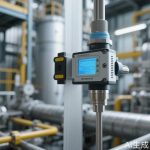
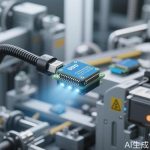
So, what exactly sets an Industrial Ethernet temperature sensor apart? Imagine a standard RTD or thermocouple probe, but one that speaks the universal language of the digital age. Equipped with an embedded Ethernet interface—supporting protocols like PROFINET, EtherNet/IP, Modbus TCP, or OPC UA—these sensors transmit temperature data directly as digital packets onto the plant-wide network. This eliminates the need for analog-to-digital converters, reduces wiring complexity, and enables real-time, high-fidelity data transmission from the sensor to the control system, SCADA, or cloud platform with millisecond precision. The result is a seamless flow of actionable intelligence.
The benefits of this networked approach are profound and multi-layered. First and foremost is Enhanced Accuracy and Diagnostics. Industrial Ethernet sensors can transmit not just the temperature value, but also rich diagnostic information. Alerts for sensor drift, potential failure, wire breakage, or out-of-range conditions are communicated instantly, enabling predictive maintenance. This shifts the paradigm from reactive troubleshooting to proactive asset management, preventing catastrophic failures in critical applications like chemical reactor control, food sterilization, or semiconductor fabrication.
Secondly, they offer Unmatched Scalability and Integration. Adding a new measurement point becomes as simple as connecting a device to the local Ethernet switch. This plug-and-play philosophy, often supported by auto-discovery features, drastically reduces commissioning time and cost. Furthermore, because the data is already in a standardized digital format, it can be effortlessly integrated into higher-level systems for advanced analytics, historical trending, and integration with Manufacturing Execution Systems (MES) or Enterprise Resource Planning (ERP) software, creating a truly connected enterprise.
Perhaps the most transformative impact is in Enabling Data-Driven Decisions. With temperature data from hundreds of points flowing in real-time across a unified network, manufacturers can achieve a holistic view of their thermal processes. Advanced algorithms can analyze this data to optimize energy consumption in ovens and kilns, ensure perfect curing cycles in composite material production, or maintain stringent environmental conditions in pharmaceutical cleanrooms. This granular control directly translates to superior product quality, reduced waste, and improved yield.
Implementing Industrial Ethernet temperature sensors does require consideration. Network robustness is key; industrial-grade switches with features like IEEE 1588 Precision Time Protocol (PTP) for time synchronization may be necessary for highly synchronized processes. Cybersecurity measures must be integral, employing network segmentation, firewalls, and device authentication to protect this new frontier of operational technology (OT). However, the industry has risen to the challenge with ruggedized, IP67-rated sensors and comprehensive industrial cybersecurity standards, making deployment safer and more reliable than ever.
From monitoring bearing temperatures in high-speed packaging lines to ensuring precise thermal profiles in plastic extrusion, the applications are vast. In food and beverage, they safeguard compliance with HACCP protocols. In energy, they monitor transformer health and optimize combustion. They are the silent guardians of process integrity, now with a powerful voice on the network.
In conclusion, Industrial Ethernet Temperature Sensors are far more than just an upgrade to a traditional tool. They are a foundational component of the smart factory, turning analog heat into digital insight. By providing accurate, timely, and intelligent temperature data directly onto the industrial network, they empower organizations to unlock new levels of efficiency, quality, and predictive capability. For any operation looking to thrive in the era of Industry 4.0, investing in this networked sensing infrastructure isn’t just an option—it’s a strategic imperative to stay competitive, agile, and in perfect control.
Leave a Message