
In the intricate symphony of modern industry, where processes hum with automated precision and margins are measured in microns and milliseconds, one fundamental parameter acts as a universal conductor: pressure. Industrial pressure measurement, far from being a static field of dials and needles, has evolved into a dynamic cornerstone of operational intelligence. It is the silent sentinel ensuring safety, the unsung hero optimizing efficiency, and a critical data point fueling the next wave of industrial innovation. From the depths of oil wells to the sterile corridors of pharmaceutical cleanrooms, accurately monitoring force per unit area is not just a technical requirement—it’s a strategic imperative.
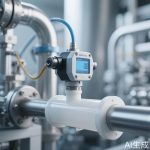
The journey of pressure measurement technology is a story of relentless advancement. While mechanical bourdon tubes served faithfully for decades, the digital revolution has ushered in an era of smart sensors and integrated systems. Today’s transducers and transmitters convert physical pressure into highly accurate, stable electronic signals, often with built-in microprocessors for onboard diagnostics, temperature compensation, and digital communication. This shift from simple indication to intelligent data generation is transformative. Pressure sensors now provide the vital bloodstream of data for Distributed Control Systems (DCS) and Supervisory Control and Control (SCADA) networks, enabling real-time process control and automation that was once unimaginable.
The impact on plant safety and asset protection cannot be overstated. In chemical processing, oil and gas, or power generation, overpressure scenarios pose catastrophic risks. Modern pressure measurement solutions, including highly reliable pressure switches and safety-instrumented systems (SIS), provide critical layers of protection. They are the first line of defense, triggering alarms or initiating automatic shutdowns to prevent equipment failure, leaks, or explosions. Furthermore, continuous monitoring of pressure trends allows for predictive maintenance, identifying issues like pump cavitation, filter clogging, or seal degradation long before they lead to unplanned downtime or hazardous conditions, thereby protecting both human capital and physical assets.
Operational efficiency and product quality are equally profound beneficiaries. In manufacturing, consistent pressure is key to repeatable quality. Whether it’s injection molding plastics, coating materials, or packaging food and beverages, minute fluctuations in pressure can lead to product defects, waste, and rejected batches. Precision sensors enable closed-loop control, maintaining setpoints with exacting accuracy. This translates directly to reduced material usage, lower energy consumption, higher throughput, and superior product consistency. In essence, precise pressure control tightens the variance in every process, squeezing out waste and enhancing profitability.
Now, the frontier of industrial pressure measurement is being redrawn by the forces of Industry 4.0 and the Industrial Internet of Things (IIoT). Wireless pressure transmitters with extended battery life can be deployed in remote or rotating equipment, sending data seamlessly to the cloud. Here, advanced analytics and machine learning algorithms parse vast datasets, uncovering hidden correlations between pressure, temperature, flow, and vibration. This enables not just predictive, but prescriptive maintenance—the system doesn’t only warn of an impending pump failure but suggests the optimal time for intervention based on cost and production schedules. This connectivity turns every sensor into a node in a vast, intelligent network, democratizing data and empowering decision-making from the control room to the boardroom.
Selecting the right pressure measurement technology, however, is a critical exercise in application engineering. The harsh realities of industrial environments—extreme temperatures, corrosive media, high vibration, and explosive atmospheres—demand robust solutions. Key considerations include the sensor technology (e.g., piezoresistive, capacitive, ceramic), material of construction (Hastelloy for corrosion, stainless steel for durability), required accuracy and long-term stability, and the output signal (analog 4-20mA, digital HART, Foundation Fieldbus, or wireless). Partnering with a supplier that offers not just products but deep application expertise is crucial to ensuring reliability, accuracy, and longevity in the field.
In conclusion, industrial pressure measurement has shed its passive, analog past to become an active, digital protagonist in the industrial narrative. It is a key enabler of safer workplaces, leaner operations, and smarter, more connected facilities. As industries worldwide grapple with the demands of sustainability, supply chain resilience, and digital transformation, the data derived from precise pressure measurement will only grow in strategic value. It’s no longer just about reading a gauge; it’s about unlocking a deeper understanding of the process itself, one precise pascal at a time. Investing in advanced pressure measurement isn’t merely a technical upgrade—it’s a commitment to building a more efficient, safe, and intelligent industrial future.
Leave a Message