
In the invisible arteries of modern industry—within pipelines, inside reactor vessels, and at the heart of robotic systems—a silent sentinel constantly monitors the lifeblood of processes: pressure. Industrial pressure sensors, far from being simple gauges, have evolved into sophisticated, intelligent nodes in the vast network of industrial automation. Their applications are the unsung heroes of safety, precision, and efficiency, transforming raw data into actionable intelligence that drives productivity and innovation across every sector.
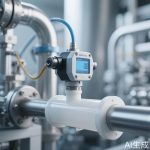
The foundational role of these sensors is ensuring operational safety and system integrity. In oil and gas, high-accuracy sensors monitor wellhead pressure and pipeline flow, providing critical early warnings to prevent catastrophic failures and environmental incidents. Chemical and pharmaceutical plants rely on them to maintain strict pressure parameters within reactors, ensuring not only the quality of the end product but also the absolute safety of the production environment. A single sensor can be the difference between a routine operation and an emergency shutdown, protecting both multi-million dollar assets and, more importantly, human lives.
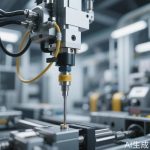
Moving beyond safety, pressure sensors are pivotal enablers of precision manufacturing and process optimization. In the realm of industrial automation and robotics, tactile pressure sensors provide the “sense of touch,” allowing robotic arms to handle delicate components, from electronic chips to automotive glass, with exacting force control. In injection molding and die-casting, dynamic pressure monitoring directly inside the mold cavity allows for real-time adjustments, drastically reducing defects, minimizing material waste, and ensuring consistent, high-quality output. This data-driven approach is the cornerstone of Industry 4.0, where every parameter is measured and optimized.
The energy sector’s transition towards sustainability is heavily dependent on advanced sensing technology. In wind turbines, pressure sensors monitor hydraulic systems for blade pitch control, maximizing energy capture from the wind while protecting the structure during storms. In hydrogen production and fuel cell systems, sensors meticulously manage gas pressures to ensure efficient, safe reactions. Even in traditional power generation, boiler and steam pressure control, governed by robust sensors, directly impacts fuel efficiency and emission levels, contributing to greener operations.
Perhaps the most transformative application lies in predictive maintenance and the Industrial Internet of Things (IIoT). Modern smart pressure sensors don’t just measure; they communicate. Equipped with digital outputs and self-diagnostic capabilities, they stream real-time data to central monitoring systems. By analyzing pressure trends and detecting minute anomalies—a gradual drop, a subtle spike, or increased variability—these systems can predict pump failures, filter clogging, or seal degradation long before a breakdown occurs. This shift from reactive to predictive maintenance saves immense costs in unplanned downtime and spare parts, while extending the lifespan of critical equipment.
From food and beverage processing, where they ensure consistent carbonation and safe pasteurization, to water treatment facilities managing pump stations and filtration, the reach of industrial pressure sensors is universal. As technology advances, we are seeing the integration of more robust materials for corrosive environments, miniaturization for compact machinery, and enhanced connectivity for seamless cloud integration. The humble pressure sensor has become a smart, connected, and indispensable component in the digital factory and beyond.
In conclusion, industrial pressure sensor applications represent a critical fusion of physics, materials science, and digital innovation. They are the foundational sensory layer that makes intelligent automation possible, turning physical forces into the data that fuels smarter decisions. As industries worldwide push for greater efficiency, sustainability, and autonomy, the demand for more advanced, reliable, and connected pressure sensing solutions will only intensify. Investing in this technology is not merely about monitoring pressure; it’s about building the resilient, responsive, and intelligent industrial ecosystems of tomorrow.
Leave a Message