
In the heart of a modern automated facility, where precision is paramount and downtime is measured in thousands of dollars per minute, a quiet revolution is underway. It’s not about louder robots or faster conveyors, but about data—specifically, the intelligent, real-time data streaming from a new generation of sensing devices. At the forefront of this transformation are Industrial Ethernet Temperature Sensors, evolving from simple monitoring tools into strategic nodes in the Industrial Internet of Things (IIoT). These are no longer your grandfather’s thermocouples; they are the sentinels of efficiency, quality, and predictive intelligence.
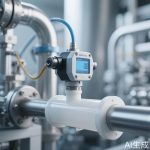
The shift from traditional 4-20mA analog signals or proprietary fieldbus systems to Industrial Ethernet (including protocols like PROFINET, EtherNet/IP, and Modbus TCP) is a game-changer. An Industrial Ethernet temperature sensor does more than just measure degrees; it packages that measurement with rich metadata—a timestamp, device status, sensor health diagnostics—and delivers it directly onto the plant’s network. This native IP connectivity means temperature data can be accessed, analyzed, and acted upon by any authorized system or person, from the PLC on the factory floor to the cloud-based analytics dashboard in the corporate office, in milliseconds.
Consider the critical applications. In pharmaceutical batch processing, precise thermal profiles are legally mandated. Ethernet sensors provide auditable, time-synchronized data trails for complete regulatory compliance. In food and beverage, they ensure perfect pasteurization and chilling, directly impacting safety and shelf life. Within semiconductor fabrication or automotive paint shops, where minute temperature fluctuations can ruin a product, these sensors offer the stability and precision needed for zero-defect manufacturing. Their role extends to predictive maintenance, where monitoring the gradual temperature rise of a motor bearing or a hydraulic system can signal an impending failure long before it causes a catastrophic stoppage.
The advantages are profound. First, unprecedented visibility. Engineers and plant managers gain a holistic, real-time view of thermal conditions across the entire operation. Second, dramatically simplified wiring and integration. A single Ethernet cable can carry power (via PoE), data, and enable device configuration, slashing installation costs and complexity. Third, enhanced diagnostics. The sensors can report on their own health, alerting teams to issues like contamination, drift, or communication errors, transforming maintenance from reactive to proactive.
However, implementing an Industrial Ethernet sensing network requires thoughtful planning. The industrial environment is harsh—rife with electromagnetic interference, vibration, extreme temperatures, and chemical exposure. Choosing sensors with robust IP ratings, metal housings, and designed for EMI/RFI immunity is crucial. Network architecture is equally important; employing industrial-grade switches and considering network segmentation ensures deterministic, reliable data flow without compromising the integrity of other critical control traffic.
Looking ahead, the convergence of these smart sensors with edge computing and AI is the next frontier. Imagine a sensor not just reporting a temperature, but locally analyzing trends, running a simple algorithm, and triggering an immediate, localized response—like adjusting a cooling valve—before even sending data upstream. This edge intelligence reduces latency and central processing load, creating a more resilient and responsive production ecosystem.
In conclusion, Industrial Ethernet Temperature Sensors represent a fundamental leap from isolated measurement points to integrated data sources. They are the foundational layer for the data-driven factory, enabling smarter decisions, flawless quality control, and a new era of predictive operational intelligence. For any organization embarking on a digital transformation or Industry 4.0 journey, investing in this connected sensing infrastructure isn’t just an upgrade to instrumentation; it’s a strategic investment in resilience, competitiveness, and the future of manufacturing itself. The question is no longer if you need them, but how quickly you can integrate them to unlock the full potential of your operational data.

Leave a Message