
Imagine a factory that breathes, feels, and thinks. A sprawling complex of machinery where every vibration, temperature fluctuation, and pressure change is instantly sensed, communicated, and analyzed. This is no longer a vision of the future; it is the present reality powered by Industrial Sensor Networking. Moving far beyond simple data collection, this intricate web of intelligent devices forms the central nervous system of Industry 4.0, transforming raw data into actionable intelligence and driving an unprecedented era of efficiency, safety, and innovation.
At its core, Industrial Sensor Networking involves the seamless integration of various sensors—measuring everything from proximity and flow to humidity and torque—into a unified, communicative network. These sensors are the fingertips of the operation, constantly gathering critical parameters. However, their true power is unlocked only when they are connected via robust, often wireless, protocols like IO-Link, WirelessHART, or 5G-enabled systems. This network acts as the synaptic pathway, transmitting real-time data to centralized control systems, cloud platforms, or edge computing devices for immediate processing.
The transformative impact of this connected ecosystem is profound. Predictive maintenance stands as one of its most celebrated achievements. Instead of relying on scheduled downtime or reacting to catastrophic failures, networks of vibration and acoustic emission sensors can detect the faintest anomalies in a motor or bearing. This allows maintenance to be performed precisely when needed, slashing unplanned downtime by up to 50% and extending equipment lifespan. It’s a shift from calendar-based guesswork to condition-based certainty.
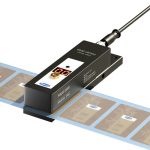
Beyond maintenance, sensor networking fuels radical optimization of the entire production chain. In a smart packaging line, for instance, vision sensors, weight cells, and photoelectric sensors work in concert. They communicate instantly to correct misalignments, verify fill levels, and ensure label accuracy—all in real-time. This synchronized dance minimizes waste, ensures consistent quality, and boosts Overall Equipment Effectiveness (OEE). The result is a leaner, more agile, and more responsive manufacturing process where quality is baked in, not inspected in.
Furthermore, this technology is a cornerstone of enhanced human safety and environmental stewardship. Networks of gas detectors, thermal cameras, and air quality monitors can create a pervasive safety net. They can detect hazardous leaks, monitor worker proximity to dangerous machinery, and ensure optimal environmental conditions. Data from these networks not only triggers immediate alarms but also provides analytics for long-term safety improvements and regulatory compliance, creating a safer, more sustainable industrial workspace.
The journey to a fully networked sensor environment is not without its challenges. Integrating legacy machinery with modern IP-based sensors, ensuring robust cybersecurity for critical operational data, and managing the sheer volume of information—the infamous “data deluge”—require thoughtful strategy. Success hinges on a scalable architecture, often leveraging edge computing to filter and process data locally before sending key insights to the cloud, thus reducing latency and bandwidth strain.
As we look ahead, the convergence of Industrial Sensor Networking with Artificial Intelligence and Digital Twin technology promises the next great leap. AI algorithms will sift through network data to find patterns invisible to the human eye, enabling autonomous optimization. Digital Twins—virtual replicas of physical assets fed by real-time sensor data—will allow for simulation, testing, and process refinement in a risk-free digital realm before implementing changes on the factory floor.
In conclusion, Industrial Sensor Networking is far more than a technical upgrade; it is the foundational fabric of the intelligent enterprise. By giving voice to every machine and process, it creates a living, responsive production environment. For forward-thinking manufacturers, investing in this invisible nervous system is no longer optional—it is the critical pathway to resilience, competitiveness, and groundbreaking innovation in an increasingly connected industrial world.

Leave a Message