
In the intricate symphony of modern technology, where flashy gadgets and smart algorithms often steal the spotlight, there exists a class of unassuming yet indispensable components working tirelessly behind the scenes. Gas flow sensors are the silent conductors of this orchestra, precisely measuring the movement of gases with an accuracy that underpins safety, efficiency, and innovation across countless industries. From the air you breathe in a hospital to the fuel powering advanced manufacturing, these sophisticated devices are the unseen guardians of process integrity and environmental stewardship.
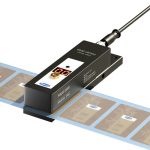
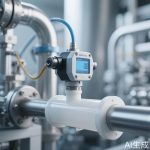
At their core, gas flow sensors are marvels of engineering designed to quantify the rate or total volume of a gas moving through a pipe or duct. They employ a variety of principles—thermal, ultrasonic, differential pressure, and Coriolis, to name a few—each suited to specific applications. Thermal sensors, for instance, measure flow by detecting changes in temperature caused by the moving gas, excelling in low-flow scenarios for medical ventilators or semiconductor fabrication. Ultrasonic sensors use sound waves to gauge velocity, offering non-invasive, clog-free measurement ideal for large duct air monitoring or natural gas custody transfer. This technological diversity ensures that whether dealing with delicate anesthetic mixtures or aggressive industrial exhaust, there is a sensor engineered for the task.
The impact of precise gas flow measurement is profound, starting with the very air we depend on. In building management systems, these sensors optimize HVAC operation, ensuring proper ventilation and indoor air quality while slashing energy consumption. They are the first line of defense, detecting dangerous leaks of combustible gases like methane or carbon monoxide in homes and industrial plants, triggering alarms long before a threat becomes a catastrophe. In the relentless pursuit of sustainability, gas flow sensors are pivotal in emissions monitoring, providing the verifiable data needed to reduce a facility’s carbon footprint and comply with stringent environmental regulations.
Beyond safety and sustainability, gas flow sensors are critical enablers of cutting-edge innovation. In the pharmaceutical and biotechnology sectors, they ensure the precise blending of gases in bioreactors, where the life of cell cultures depends on exact atmospheric conditions. The production of lithium-ion batteries, the heart of the electric vehicle revolution, requires ultra-precise control of dry air and inert gases during electrode drying; a process where minute fluctuations can compromise battery performance and safety. Even the food and beverage industry relies on them to control carbonation levels in soft drinks or maintain modified atmosphere packaging that keeps food fresh longer.
As we advance into the era of Industry 4.0 and the Internet of Things (IoT), the role of the gas flow sensor is evolving from a standalone measuring instrument to a intelligent data node. Modern smart sensors come equipped with digital outputs, self-diagnostics, and connectivity features. They can communicate real-time flow data directly to centralized control systems, predictive maintenance platforms, and cloud analytics engines. This connectivity allows for unprecedented levels of process optimization, remote monitoring, and the creation of digital twins for simulation and planning. The humble flow sensor has become a cornerstone of the smart, data-driven factory.
Selecting the right gas flow sensor is a critical decision that hinges on understanding the application’s specific demands. Engineers must consider the gas composition, flow range, pressure, temperature, required accuracy, and the need for hygiene or explosion-proof certifications. Partnering with experienced sensor manufacturers who offer robust technical support is not just advisable; it is essential for integrating a component that must perform reliably for years, often in harsh and demanding environments. The right sensor is an investment in operational excellence.
In conclusion, gas flow sensors are far more than mere meters. They are fundamental pillars of modern industrial and environmental infrastructure. By providing the critical data needed to control, optimize, and safeguard processes, they drive efficiency, enhance safety, protect our planet, and enable the technologies of tomorrow. As our world grows more complex and interconnected, the quiet, precise work of these unsung heroes will only become more vital, proving that sometimes, the most powerful innovations are those you seldom see, but always depend on.
Leave a Message