
In the intricate tapestry of modern technology, where flashy screens and powerful processors often steal the spotlight, there exists a class of silent, indispensable components working tirelessly behind the scenes. Pressure sensor modules are the unsung heroes, the invisible sentinels translating the physical force of our world into the digital language of machines. From the smartphone in your pocket to the life-saving equipment in a hospital, these sophisticated modules are the bedrock of functionality, enabling precision, safety, and intelligence across countless applications.
At their core, pressure sensor modules are compact, integrated systems that detect and measure pressure—be it of gases or liquids—and convert this physical parameter into a reliable electrical signal. Unlike a bare sensor chip, a module is a complete, ready-to-use solution. It typically houses the sensing element (often based on MEMS – Micro-Electro-Mechanical Systems technology), signal conditioning circuitry, and sometimes even a digital interface like I2C or SPI. This ‘plug-and-play’ nature eliminates the complex engineering required to amplify and stabilize the tiny signals from a raw sensor, making advanced sensing accessible to engineers and innovators at all levels.
The transformative power of these modules is most evident in the realm of consumer electronics. Your smartphone uses a barometric pressure sensor module not just for weather apps, but crucially for GPS altitude tracking, enhancing location accuracy and enabling features like step counting in fitness trackers. In wearable devices, they monitor health metrics, while in home appliances like robotic vacuum cleaners and espresso machines, they ensure optimal performance by regulating suction and water pressure with remarkable precision.
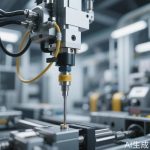
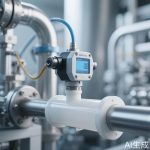
Beyond convenience, pressure sensor modules are pillars of safety and efficiency in industrial and automotive systems. In manufacturing plants, they are the guardians of hydraulic and pneumatic systems, preventing overpressure scenarios and ensuring process consistency. The automotive industry relies on them for a multitude of critical functions: monitoring tire pressure (TPMS) for safety and fuel economy, optimizing engine performance through manifold air pressure sensing, and enhancing the comfort of advanced suspension systems. Their robustness and reliability are non-negotiable in these demanding environments.
Perhaps the most profound impact is felt in healthcare and environmental monitoring. Medical devices such as ventilators, infusion pumps, and blood pressure monitors depend on ultra-precise, sterilizable pressure modules to deliver life-sustaining care. In environmental science, compact modules are deployed in weather stations, altitude probes, and water level monitoring systems, providing vital data for research and early warning systems. They are our fingertips gauging the pulse of the planet.
The future of pressure sensing is being shaped by trends like miniaturization, increased intelligence, and enhanced connectivity. Modern modules are becoming smaller, more energy-efficient, and smarter, with built-in digital compensation for temperature and other variables. The integration with the Internet of Things (IoT) is a game-changer, allowing networks of wireless, battery-powered sensor modules to transmit real-time pressure data from remote pipelines, smart agriculture fields, or urban infrastructure to the cloud for analysis, enabling predictive maintenance and smarter resource management.
Selecting the right pressure sensor module requires careful consideration of key parameters: the pressure range (absolute, gauge, or differential), required accuracy and long-term stability, the output type (analog or digital), media compatibility (what substance it will contact), and environmental ruggedness. Understanding these factors ensures the module performs reliably in its intended application, whether it’s inside a deep-sea drone or a delicate laboratory instrument.
In conclusion, pressure sensor modules are far more than mere components; they are fundamental enablers of the intelligent, automated, and data-driven world we are building. They provide the essential sense of touch to machines, allowing them to interact with and respond to their physical environment. As technology continues to evolve, these versatile modules will remain at the heart of innovation, quietly empowering smarter industries, safer vehicles, advanced healthcare, and a more deeply understood world. The next time your smartwatch tracks your hike or your car warns you of a low tire, remember the sophisticated, miniature module making it all possible.
Leave a Message