
In the vast, unseen arteries of modern industry—the sprawling networks of pipelines that carry water, oil, gas, chemicals, and more—lies a critical challenge: how do you truly know what’s happening inside? For decades, operators relied on estimations, manual checks, and reactive maintenance. Today, a silent revolution is underway, powered by intelligent Pipeline Flow Monitoring Sensors. These are not mere meters; they are the central nervous system for pipeline infrastructure, delivering unprecedented visibility, control, and foresight.
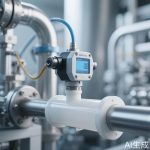
The core function of these sensors is deceptively simple: to measure the rate, pressure, temperature, and composition of fluids or gases in transit. However, modern advancements have transformed this basic task into a sophisticated diagnostic art. Using technologies like ultrasonic transit-time measurement, electromagnetic induction, Coriolis mass flow, and advanced pressure transducers, today’s sensors provide a continuous, high-fidelity data stream. They don’t just tell you how much is flowing; they reveal how it is flowing—detecting turbulence, viscosity changes, and the early signatures of potential problems long before they escalate.
The business case for deploying advanced flow monitoring is compelling. First and foremost is leak detection and prevention. Even minor leaks represent catastrophic revenue loss and environmental hazard. Modern sensor arrays, coupled with real-time analytics software, can pinpoint the location and size of a leak with remarkable accuracy, enabling immediate shutdown and response. This capability is not just about cost savings; it is a fundamental pillar of corporate environmental, social, and governance (ESG) responsibility and regulatory compliance.
Secondly, these sensors are engines of operational efficiency. By providing precise data on flow rates and pressures, they allow for the optimization of pump and compressor operations, reducing energy consumption—often one of the largest operational expenses. They ensure optimal product delivery, prevent over-pressurization, and minimize pipeline stress. In water distribution networks, for instance, advanced monitoring is key to reducing non-revenue water (NRW)—water that is produced but lost before reaching the customer—saving millions of gallons and dollars annually.
Furthermore, the data harvested from these sensors feeds predictive maintenance models. Instead of following a rigid schedule or waiting for equipment to fail, maintenance teams can act on intelligence. A gradual shift in vibration patterns or a subtle change in differential pressure can signal wear in a valve or buildup within the pipe. Addressing these issues proactively avoids unplanned downtime, extends asset lifespan, and ensures safer, more reliable operations.
The integration of Industrial Internet of Things (IIoT) frameworks has been a game-changer. Modern pipeline flow sensors are intelligent nodes on a digital network. They communicate wirelessly, sending encrypted data to cloud-based platforms where artificial intelligence and machine learning algorithms process information from thousands of points simultaneously. This creates a living, dynamic digital twin of the physical pipeline system. Operators can visualize the entire network’s health on a dashboard, receive automated alerts, and run simulations to test operational scenarios.
Looking ahead, the role of pipeline flow monitoring sensors will only expand. As industries strive for greater sustainability and resilience, the demand for granular, real-time data will intensify. Emerging applications include monitoring for carbon capture and storage (CCS) pipelines, ensuring the integrity of hydrogen transport networks, and managing complex multi-phase flows in renewable energy projects. The sensor itself is evolving, with developments in self-powered units (using energy harvesting from flow or vibration) and enhanced materials for extreme environments.
In conclusion, pipeline flow monitoring sensors have transcended their traditional role as measurement tools. They are now indispensable strategic assets for any organization that manages fluid or gas transport. By investing in this advanced sensing technology, companies unlock a future of enhanced safety, radical efficiency, predictive intelligence, and robust environmental stewardship. In the quest to build smarter, safer, and more sustainable industrial ecosystems, seeing clearly what flows beneath our feet is the undeniable first step.


Leave a Message