
For decades, the health of a pipeline was a story told in snapshots: a pressure reading here, a manual inspection there. Operators relied on intermittent data and reactive maintenance, often learning of a leak, a blockage, or inefficiency only after it had already impacted operations, safety, or the bottom line. Today, that narrative is being rewritten in real-time, chapter by continuous chapter, by a new generation of intelligent pipeline flow monitoring sensors. These are not mere meters; they are the sentient nervous system of modern industrial infrastructure, transforming pipelines from static conduits into dynamic, data-rich assets.
The core function remains—measuring the rate, pressure, and sometimes composition of what flows within—but the capabilities have exploded. Modern sensors leverage technologies like ultrasonic transit-time difference, Coriolis mass flow, and advanced electromagnetic fields to deliver astonishing accuracy without intrusive moving parts. They measure not just volume, but mass flow, density, temperature, and viscosity simultaneously. This multi-parameter data is the first critical leap, providing a holistic view of fluid behavior that simple totalizers never could.
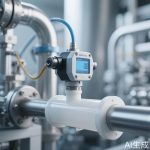
However, the true revolution lies in connectivity and intelligence. Contemporary pipeline flow sensors are embedded with microprocessors and communication modules (supporting protocols like HART, Modbus, Profibus, or wireless IoT standards). They don’t just collect data; they process it at the edge. By establishing a continuous baseline of “normal” operation, these smart devices can instantly detect anomalies—a sudden drop in pressure suggesting a leak downstream, a gradual increase in viscosity indicating product contamination or waxing, or an unexpected flow restriction hinting at a developing clog.
The operational benefits of this constant vigilance are profound. Predictive maintenance shifts from a scheduled chore to a need-based science. Instead of shutting down a line quarterly for inspection, maintenance teams receive targeted alerts about specific sections showing early signs of wear or buildup, allowing for intervention during planned downtime. Leak detection and prevention become dramatically faster and more precise, minimizing product loss, environmental damage, and safety hazards. In custody transfer applications, the unparalleled accuracy of sensors like Coriolis meters ensures fiscal fairness and eliminates costly measurement disputes.
Furthermore, the data stream enables superior process optimization. Operators can fine-tune pump speeds, adjust blending ratios, and manage batch sequences with precision, reducing energy consumption and maximizing throughput. In water networks, smart flow monitoring helps manage distribution losses and peak demand. In oil and gas, it ensures the integrity of pipelines across vast, remote distances. The sensor data, integrated into a SCADA or IIoT platform, becomes the foundation for a digital twin—a virtual, living model of the physical pipeline used for simulation, forecasting, and advanced analytics.
Choosing the right sensor is a critical decision hinging on the application. The abrasive slurry in a mining pipeline demands a robust, non-clogging ultrasonic design. The precise batching of high-value chemicals in a pharmaceutical plant may necessitate a Coriolis meter for its direct mass measurement. For large-diameter water mains, insertion-style electromagnetic sensors offer a cost-effective solution. The key is moving beyond a simple flow reading to define the required intelligence: What parameters are needed? How will the data be communicated and acted upon?
The future of pipeline flow monitoring is one of ever-deeper integration and intelligence. We are moving towards sensors with self-diagnostic capabilities, able to report on their own health and calibration status. Artificial intelligence and machine learning algorithms will pore over the vast datasets, uncovering subtle patterns that predict failures weeks or months in advance. The humble pipeline, equipped with its new sensory capabilities, is becoming a cornerstone of the Industrial Internet of Things (IIoT), driving efficiency, sustainability, and resilience.
In conclusion, pipeline flow monitoring sensors have evolved from passive measuring tools to active, intelligent guardians of flow. They provide the critical data layer that transforms reactive operations into proactive, optimized, and secure asset management. For any industry that relies on the movement of liquids or gases—from energy and chemicals to water and food production—investing in these smart sensing technologies is no longer an upgrade; it is a fundamental step toward building the intelligent, responsive infrastructure of the future. The flow of data, it turns out, is just as vital as the flow in the pipe itself.

Leave a Message