
In the invisible dance of fluids and gases that powers our world, one silent sentinel stands guard: the pressure measuring instrument. Far from being a simple dial on a boiler, today’s pressure measurement technology is a sophisticated cornerstone of safety, efficiency, and precision across countless sectors. From the depths of the ocean to the vacuum of space, and from pharmaceutical cleanrooms to the engine of your car, understanding and controlling pressure is not just a technical necessity—it’s the bedrock of modern innovation.
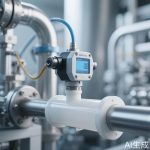
The evolution of these instruments is a story of human ingenuity. We’ve moved from rudimentary liquid-column devices, like the mercury barometer invented by Torricelli in 1643, to an era of digital smart sensors. Early analog gauges, such as the Bourdon tube, provided a mechanical glimpse into a system’s state. Today, we have piezoresistive transducers, capacitive sensors, and optical systems that convert pressure into precise electrical signals. These digital workhorses offer unparalleled accuracy, stability, and the ability to integrate seamlessly into complex automated control systems, feeding real-time data to the Industrial Internet of Things (IIoT).
This technological leap has profound implications for industrial safety and asset integrity. In oil and gas refineries, chemical plants, and power generation facilities, high-fidelity pressure transmitters are the first line of defense against catastrophic failures. They provide continuous monitoring, triggering automatic shutdowns or alarms long before a dangerous threshold is crossed. Predictive maintenance, powered by analyzing pressure trend data, allows engineers to address wear and tear in pumps and pipelines proactively, preventing unplanned downtime and saving millions in potential losses and environmental remediation.
Beyond heavy industry, the precision of modern pressure instrumentation is fueling breakthroughs in science and quality of life. In healthcare, miniature pressure sensors are critical in ventilators, dialysis machines, and invasive blood pressure monitoring, where a fraction of a psi can be a matter of life and death. The development of new pharmaceuticals relies on precisely controlled bioreactor environments, where pressure is a key parameter. Even the smartphone in your pocket likely contains a barometric pressure sensor, enabling weather forecasting, altitude tracking, and improved GPS accuracy.
The future of pressure measurement is intelligent and connected. The next generation of instruments goes beyond mere measurement; they are diagnostic hubs. Smart sensors with embedded microprocessors can perform self-calibration, diagnose sensor health, and communicate not just a pressure value, but a confidence level in that data. WirelessHART and other protocols enable the deployment of sensors in remote or rotating equipment without the cost and complexity of wired installations. This creates a dynamic, data-rich map of an entire operation’s pressure landscape, empowering decision-makers with actionable insights.
Selecting the right pressure measuring instrument is no longer a generic task. It requires a careful consideration of the medium (is it corrosive, viscous, or ultra-pure?), the required accuracy and range, environmental conditions (temperature, humidity, vibration), and the necessary output for the control system. The choice between a gauge, absolute, or differential pressure sensor, or the selection of the correct diaphragm material, can mean the difference between a reliable decade of service and a costly, repeated failure.
In conclusion, pressure measuring instruments have transcended their humble origins to become vital enablers of progress. They are the unsung heroes ensuring our planes fly safely, our medicines are produced consistently, and our industrial processes run lean and green. As we push the boundaries of technology—whether in developing hydrogen economies, exploring deep-sea habitats, or creating advanced manufacturing cells—the demand for ever more precise, robust, and intelligent pressure sensing will only grow. By mastering the measurement of this fundamental force, we are quite literally building a safer, more efficient, and more innovative future, one pascal at a time.
Leave a Message