
In the pulsating heart of industry—from sprawling chemical plants and labyrinthine pipelines to precision pharmaceutical labs and towering wind turbines—there exists a silent, constant sentinel: pressure. For decades, the humble pressure gauge was the primary window into this critical process variable. Yet, in today’s hyper-connected, data-driven industrial landscape, pressure detection has undergone a radical transformation. It is no longer just about reading a dial; it’s about harnessing intelligent, real-time insights that safeguard assets, optimize performance, and unlock unprecedented levels of operational intelligence.
The stakes for accurate pressure monitoring have never been higher. A minor overpressure event in a reactor can cascade into a catastrophic safety incident. Undetected leaks in a subsea pipeline represent monumental environmental and financial risk. Inconsistent pressure in food and beverage filling lines leads to costly waste and brand damage. Traditional methods, while reliable for basic indication, often fall short in providing the predictive and analytical capabilities needed for modern risk mitigation and process excellence. This gap is where next-generation industrial pressure detection systems are making their definitive mark.
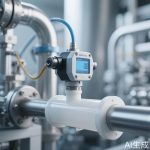
Modern systems are built on a foundation of advanced sensor technology. Solid-state sensors, utilizing piezoresistive or capacitive sensing elements, offer exceptional accuracy, stability, and resistance to vibration and shock. These sensors are the first critical step in converting physical force into a reliable electrical signal. However, the true revolution lies in what happens next. Today’s transmitters and transducers are embedded with microprocessors, enabling sophisticated features like onboard diagnostics, temperature compensation, and digital communication protocols. They don’t just measure; they assess their own health and validate the integrity of the data they produce.
Connectivity is the game-changer. Industrial Internet of Things (IIoT) enabled pressure devices can seamlessly integrate into larger control and asset management ecosystems. Using protocols like HART, WirelessHART, PROFINET, or Modbus, they transmit not only the primary pressure value but a wealth of diagnostic and status information. This data flows into Supervisory Control and Data Acquisition (SCADA) systems, Distributed Control Systems (DCS), and cloud-based analytics platforms. Suddenly, pressure is no longer an isolated metric but a dynamic data point correlated with flow, temperature, vibration, and other variables, painting a comprehensive picture of process health.
The shift from reactive monitoring to predictive analytics represents the pinnacle of this evolution. By applying machine learning algorithms to historical and real-time pressure data, these intelligent systems can identify subtle patterns and anomalies that precede failures. They can predict the gradual drift of a sensor, detect the early stages of pump cavitation, or warn of impending blockages. This predictive capability transforms maintenance strategies from costly, calendar-based interventions to precise, condition-based actions, dramatically reducing unplanned downtime and extending equipment lifespan.
The applications are as diverse as industry itself. In oil and gas, intelligent pressure detection ensures wellhead integrity, optimizes pipeline throughput, and enhances safety in hazardous areas. In water and wastewater management, it monitors network distribution, detects leaks, and controls pumping stations for energy efficiency. Pharmaceutical manufacturers rely on ultra-precise, sterilizable pressure sensors to maintain critical conditions in bioreactors and filtration systems, ensuring product quality and regulatory compliance. Even renewable energy sectors, such as hydrogen production and storage, depend on high-accuracy, high-reliability pressure monitoring for safe and efficient operation.
Implementing a future-proof pressure detection strategy requires a holistic view. It involves selecting the right sensor technology (absolute, gauge, or differential) with appropriate materials of construction to withstand process media. It demands careful consideration of accuracy classes, long-term stability, and the required communication infrastructure. Partnering with a technology provider that offers not just instruments, but full lifecycle support—from engineering and configuration to calibration and data analytics services—is crucial to maximizing return on investment.
In conclusion, industrial pressure detection has evolved from a simple mechanical readout to a cornerstone of the digital industrial revolution. It is a critical source of truth that empowers organizations to operate safer, smarter, and more sustainably. By moving beyond the gauge and embracing intelligent, connected systems, industries can transform raw pressure data into actionable wisdom—turning a fundamental physical force into a powerful driver of reliability, efficiency, and bottom-line growth. The pressure is on, not on the pipes, but on decision-makers to leverage this transformative technology for a competitive edge.
Leave a Message