
In the intricate dance of modern technology and environmental stewardship, one silent sentinel plays a pivotal role, yet remains largely unseen: the CO2 pressure sensor. Far more than a simple measurement tool, these sophisticated devices are the unsung heroes ensuring safety, optimizing efficiency, and safeguarding our planet. From the food and beverages we enjoy to the life-saving air in hospitals and the ambitious quest to capture carbon emissions, CO2 pressure sensors provide the critical data that drives innovation and protects lives.
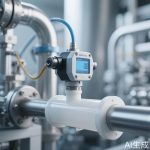
At its core, a CO2 pressure sensor is a specialized transducer designed to measure the force exerted by carbon dioxide gas within a confined space. Unlike simple concentration sensors, pressure sensors are crucial in high-pressure applications where CO2 is stored or transported as a liquid or supercritical fluid—common in industries like brewing, carbonated beverage production, and fire suppression systems. They answer the essential question: is the pressure within safe and optimal parameters? This real-time monitoring is the first line of defense against leaks, system failures, and inefficiencies.
The applications of these sensors are astonishingly diverse. In the food and beverage industry, precise carbonation is an art. A miscalculation in pressure can mean the difference between a perfectly crisp soda or a flat, disappointing drink. CO2 pressure sensors ensure consistency on a massive scale, from multinational bottling plants to craft breweries where the exact level of fizz defines the brand. Similarly, in modified atmosphere packaging (MAP), they help maintain the correct CO2 mix to extend the shelf life of fresh produce, meats, and salads, reducing food waste dramatically.
Venturing into life-critical domains, the role of CO2 pressure sensors becomes even more profound. In hospitals, they are integral to anesthesia machines and incubators, where the precise delivery of medical gases is non-negotiable for patient safety. In HVAC (Heating, Ventilation, and Air Conditioning) systems for schools, offices, and green buildings, they are key components of demand-controlled ventilation. By monitoring CO2 levels as a proxy for occupancy and air quality, these sensors trigger fresh air intake only when needed, slashing energy consumption by up to 30% while ensuring healthier indoor environments.
Perhaps the most forward-looking application lies in the fight against climate change: Carbon Capture, Utilization, and Storage (CCUS). This technology aims to trap CO2 emissions from industrial sources before they enter the atmosphere. Here, CO2 pressure sensors are indispensable. They monitor the gas throughout its journey—from capture under high pressure, through pipelines for transport, to its final injection and storage deep underground in geological formations. Their relentless accuracy ensures the entire process is safe, leak-proof, and verifiable, making large-scale CCUS a tangible reality.
The technology behind these sensors has evolved leaps and bounds. Modern solid-state sensors, often based on micro-electromechanical systems (MEMS), offer exceptional durability, miniaturization, and digital output for easy integration with IoT (Internet of Things) platforms. This allows for remote monitoring, predictive maintenance, and vast data analytics, transforming a simple pressure reading into a stream of actionable intelligence for smart factories and cities.
Choosing the right CO2 pressure sensor is paramount. Factors such as pressure range, media compatibility (as CO2 can be corrosive when wet), operating temperature, output signal, and required certifications (like ATEX for hazardous areas) must be carefully considered. Partnering with a reputable sensor manufacturer who understands the specific nuances of your application is not just a procurement decision—it’s an investment in system reliability, safety, and long-term operational excellence.
In conclusion, CO2 pressure sensors are a brilliant example of how a focused technological solution can have ripple effects across countless aspects of our lives. They operate in the background, invisible yet indispensable, turning the physical property of pressure into data that drives smarter decisions, fosters sustainability, and protects both people and products. As we march towards a more automated and ecologically conscious future, the quiet precision of the CO2 pressure sensor will undoubtedly remain a cornerstone of industrial innovation and environmental responsibility.

Leave a Message