
In the intricate dance of modern industry, from the depths of an oil well to the sterile corridors of a pharmaceutical lab, one silent, constant witness is always present: pressure. It is a fundamental physical parameter, but its accurate measurement is far from a simple task. Today’s Pressure Measurement Systems are not mere dials and needles; they are sophisticated, intelligent networks that form the sensory nervous system of our technological world, driving efficiency, safety, and breakthrough innovation.
The evolution from mechanical bourdon tubes to digital smart sensors represents a quantum leap. Contemporary systems integrate advanced sensing technologies—such as piezoresistive, capacitive, and optical sensors—with digital signal processing and robust communication protocols. This transformation means pressure data is no longer just a local reading; it’s a dynamic, real-time stream of actionable intelligence. These systems can monitor minute fluctuations, predict maintenance needs through trend analysis, and seamlessly integrate with broader Industrial Internet of Things (IIoT) platforms, creating a holistic view of operational health.
In critical sectors, the stakes for precision are exceptionally high. In aerospace, pressure sensors ensure cabin safety and optimize engine performance at altitudes where margins for error are zero. In the energy sector, they are the frontline guardians in oil and gas extraction, preventing catastrophic failures by monitoring wellhead and pipeline integrity. The life sciences and pharmaceutical industries rely on ultra-pure, highly accurate pressure control within bioreactors and filtration systems, where consistency is synonymous with product efficacy and patient safety. Each application demands not just measurement, but guaranteed reliability under extreme conditions of temperature, corrosion, and vibration.
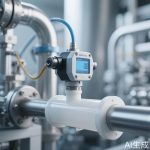
The true power of modern Pressure Measurement Systems lies in their connectivity and intelligence. A smart pressure transmitter does more than relay a value; it diagnoses itself, compensates for ambient temperature changes, and communicates bidirectionally with control systems. This shift from isolated measurement points to interconnected data nodes enables predictive maintenance. Instead of reacting to a failure, plants can anticipate it, scheduling downtime strategically and avoiding costly unplanned shutdowns. This data-driven approach is a cornerstone of Industry 4.0, transforming raw pressure readings into a strategic asset for operational excellence.
Furthermore, the drive towards sustainability is heavily reliant on precise pressure management. In water distribution networks, advanced pressure measurement and control reduce leakage and energy consumption in pumping. In renewable energy systems, such as hydrogen fuel cells or compressed air energy storage, monitoring pressure is critical for efficiency and safety. By providing the data needed to optimize processes, these systems play a pivotal role in reducing waste and conserving resources, proving that environmental stewardship and industrial productivity are mutually achievable goals.
Selecting the right Pressure Measurement System is a strategic decision. It requires a careful analysis of the medium being measured, the required accuracy, the environmental challenges, and the necessary communication output. Partnering with a technology provider that offers not just products but application expertise and global support is crucial. The future points toward even greater miniaturization, enhanced wireless capabilities, and sensors with embedded artificial intelligence for autonomous decision-making at the edge of the network.
In conclusion, Pressure Measurement Systems have transcended their humble origins. They are now indispensable, intelligent partners in progress. By converting an invisible force into precise, communicable, and insightful data, they empower industries to operate with unprecedented safety, efficiency, and innovation. In a world increasingly defined by data, ensuring you have the right pressure on your processes—and the perfect system to measure it—is not just an operational need; it is a competitive imperative.

Leave a Message