
Imagine a factory floor that breathes. Where every machine pulse, temperature fluctuation, and vibrational hum is not just a physical event, but a whisper in a vast, intelligent conversation. This is no longer the realm of science fiction; it is the tangible reality being built today through the strategic and sophisticated power of Industrial Sensor Integration. Moving far beyond simple data collection, this paradigm represents the central nervous system of Industry 4.0, transforming raw operational data into actionable intelligence and unprecedented competitive advantage.
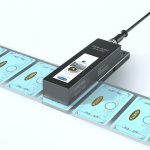
The modern industrial landscape is awash with sensors—tiny, powerful sentinels measuring everything from pressure and proximity to spectral analysis and inertial movement. Yet, for years, many of these devices operated in silos, creating isolated pockets of data that offered limited insight. True integration breaks down these barriers. It is the cohesive architecture that unifies diverse sensor inputs—vibration sensors on motors, thermal cameras on electrical panels, flow meters in pipelines, and vision systems on assembly lines—into a single, contextualized data fabric. This holistic view is the critical first step from automation to autonomy.
The transformative impact of this integration is most profoundly felt in the domain of predictive maintenance. Instead of reacting to a catastrophic failure or adhering to rigid, calendar-based service schedules, integrated sensor networks enable a condition-based approach. By continuously analyzing the synergistic data from multiple sensors, advanced algorithms can detect the earliest signatures of wear, misalignment, or lubrication breakdown—often weeks or months before a problem becomes critical. This shift not only prevents costly unplanned downtime but also optimizes spare parts inventory and extends the operational life of capital assets, delivering a direct and substantial return on investment.
Furthermore, integrated sensor ecosystems are the engine of enhanced quality control and process optimization. In complex manufacturing processes, a defect is rarely the result of a single variable. It is the culmination of subtle interactions—a slight temperature drift during a chemical reaction combined with a minute pressure variation. An integrated system correlates these multi-dimensional data points in real-time, allowing for immediate micro-adjustments. The result is a dramatic reduction in waste, rework, and product variability, ensuring every unit that comes off the line meets the highest possible standard.
However, the journey to seamless integration is not without its challenges. It demands a robust technological backbone, including scalable Industrial Internet of Things (IIoT) platforms, secure and high-bandwidth connectivity (like 5G or TSN-enabled Ethernet), and edge computing capabilities to process data where it’s generated. Interoperability between sensors and systems from different vendors, often governed by standards like OPC UA, is crucial. Perhaps the greatest hurdle is the cultural shift: empowering personnel to transition from traditional, experience-based decision-making to a data-driven, analytical mindset.
Looking ahead, the convergence of integrated sensor data with artificial intelligence and digital twin technology is set to unlock even greater potential. A digital twin—a dynamic, virtual replica of a physical asset or process—fed by real-time sensor data, becomes a living simulation. Engineers can test scenarios, predict outcomes of process changes, and optimize entire production lines in the virtual world before implementing anything in the physical one. This closes the loop between the operational and informational realms, creating a continuous cycle of improvement and innovation.
In conclusion, Industrial Sensor Integration is far more than a technical IT project. It is the foundational strategy for building resilient, agile, and intelligent operations. It turns noise into knowledge and intuition into insight. For forward-thinking manufacturers, the question is no longer whether to invest in sensors, but how quickly and effectively they can weave those sensors into an integrated, intelligent whole. The factories that master this integration are not just preparing for the future; they are actively constructing it, one data point at a time.
Leave a Message