
In the intricate symphony of modern industry, where efficiency, safety, and precision are the cornerstones of success, there exists a silent yet indispensable conductor: the pressure monitoring sensor. Far more than a simple gauge on a dial, these sophisticated devices are the unsung heroes, providing the critical data that keeps systems running smoothly, prevents catastrophic failures, and unlocks new levels of operational intelligence. From the depths of oil wells to the sterile environments of pharmaceutical labs, pressure sensors form the foundational layer of our automated, data-driven world.
The evolution of pressure sensing technology is a story of miniaturization and intelligence. Gone are the days of purely mechanical bourdon tubes. Today’s sensors are marvels of micro-electromechanical systems (MEMS), semiconductor strain gauges, and capacitive sensing elements. They translate the physical force of pressure into precise, real-time electrical signals with astonishing accuracy. This digital heartbeat of pressure data is then fed into control systems, cloud platforms, and predictive analytics engines, enabling a level of oversight previously unimaginable.
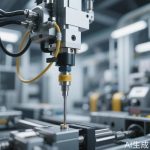
In manufacturing, pressure monitoring is the guardian of quality and consistency. In injection molding, sensors ensure each cycle applies identical pressure, guaranteeing perfect parts every time. In food and beverage processing, they monitor pressures in pasteurization and carbonation, crucial for both product safety and taste. A deviation of even a few psi can mean the difference between a flawless batch and costly waste. These sensors act as the ever-vigilant eyes on processes that are too fast, too hot, or too complex for human monitoring alone.
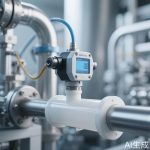
The impact on safety and predictive maintenance is perhaps the most profound. In the energy sector, sensors on pipelines and wellheads provide early warnings of leaks or dangerous pressure buildups, preventing environmental disasters and protecting personnel. In HVAC systems, they optimize performance and flag failing components before they break down. By continuously analyzing pressure trends, algorithms can now predict a pump’s failure weeks in advance, shifting from reactive repairs to scheduled, cost-effective maintenance. This predictive capability transforms asset management, slashing downtime and extending equipment lifespans.
Furthermore, the integration of pressure sensors with the Internet of Things (IoT) has opened a new frontier. Wireless, battery-powered sensors can be deployed in remote or rotating equipment, streaming data directly to dashboards. This creates a living, breathing map of system health across an entire facility or even a global fleet of assets. Engineers can monitor pressure in a compressor off the coast of Norway from an office in Houston, making data-informed decisions that enhance efficiency and reduce the carbon footprint through optimized operations.
As we look to the future, the role of pressure monitoring sensors will only expand. They are fundamental to emerging fields like autonomous vehicles, where they monitor brake fluid and tire pressure for passenger safety. In smart cities, they will manage water distribution networks, detecting leaks in real-time to conserve precious resources. The next generation of sensors will be even smaller, more energy-efficient, and embedded with edge computing capabilities to analyze data on the spot.
In conclusion, pressure monitoring sensors are not merely components; they are the critical nerve endings of our industrial and technological ecosystem. They provide the essential feedback that allows machines to operate intelligently, safely, and efficiently. By transforming an invisible force into actionable data, these devices empower industries to reach new heights of productivity and innovation. Investing in advanced pressure sensing technology is no longer an option—it is a strategic imperative for any organization aiming to thrive in an increasingly automated and data-centric world.
Leave a Message