
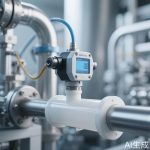
In today’s demanding industrial landscape, accuracy and reliability are non-negotiable. Whether managing complex chemical processes, ensuring water treatment efficiency, or monitoring food and beverage production, precise flow measurement sits at the heart of operational excellence. This is where stainless steel flow sensors emerge as the undisputed champions, offering a perfect synergy of rugged durability and exceptional precision that is transforming how industries monitor and control fluid systems.
The primary advantage of stainless steel lies in its remarkable material properties. Engineered to withstand harsh environments, these sensors offer superior corrosion resistance against a wide range of aggressive media, including chemicals, solvents, and saltwater. Unlike sensors with plastic or brass components, stainless steel housings and internals are immune to rust and degradation, ensuring a long operational life even in the most challenging conditions. This inherent robustness translates directly to reduced maintenance costs, minimized downtime, and unparalleled long-term reliability, making them a sound investment for any critical application.
Beyond mere durability, modern stainless steel flow sensors are technological marvels of accuracy. They utilize advanced measurement principles, such as magnetic inductive technology for conductive liquids or turbine and vortex principles for a broader range of fluids. These mechanisms provide highly repeatable and precise data on flow rate, enabling tight process control. For industries where a minute deviation can lead to significant product quality issues or safety hazards, this level of accuracy is indispensable. Real-time, reliable data empowers engineers to optimize processes, conserve resources, and ensure consistent output.
The versatility of stainless steel flow sensors is another key factor driving their widespread adoption. They are available in various configurations, including inline, insertion, and bypass models, to suit different pipe sizes and system layouts. Furthermore, they can be equipped with a range of output signals and communication protocols, such as 4-20 mA analog, frequency, or even digital interfaces like Modbus or IO-Link. This flexibility allows for seamless integration into existing control systems, SCADA networks, and IIoT (Industrial Internet of Things) platforms, facilitating smart, data-driven decision-making across the entire operation.
When selecting a stainless steel flow sensor, several critical factors must be considered to ensure optimal performance. The fluid’s properties—its viscosity, temperature, pressure, and chemical composition—are paramount in choosing the right sensor technology. The required flow range and the necessary accuracy class will also guide the selection. Finally, certifications for use in hazardous areas (ATEX, IECEx) or sanitary applications (3-A, EHEDG) may be required for specific industries like oil and gas or food and pharmaceuticals, underscoring the importance of choosing a sensor built to the highest standards.
In conclusion, stainless steel flow sensors represent a critical investment in operational integrity, efficiency, and intelligence. Their unique combination of rugged construction, precision engineering, and integration-friendly design makes them an essential component for any industry reliant on fluid processes. By providing dependable data in even the toughest environments, they not only protect valuable assets but also unlock new levels of process optimization and control. For forward-thinking companies, upgrading to high-performance stainless steel flow sensors is not just an equipment choice—it’s a strategic move toward a more resilient and data-empowered future.

Leave a Message