
Imagine a world where your morning coffee starts brewing the moment your feet touch the floor, where your car alerts emergency services automatically after an accident, and where farmers know exactly when crops need water before showing any visible signs of stress. This isn’t science fiction—it’s the reality being built today through advanced sensor applications that are transforming every aspect of our lives.
The proliferation of sensor technology represents one of the most significant technological shifts of our generation. From the smartphones in our pockets to the smart cities being developed worldwide, sensors have become the invisible nervous system of our digital world. These tiny technological marvels are constantly gathering data, monitoring environments, and enabling systems to respond intelligently to changing conditions.
In healthcare, sensor applications are saving lives and revolutionizing patient care. Wearable devices now continuously monitor heart rate, blood oxygen levels, and even detect falls, automatically alerting caregivers when intervention is needed. Implantable sensors can track medication adherence and vital signs, transmitting data directly to healthcare providers. Hospitals are deploying environmental sensors to monitor air quality, temperature, and equipment sterilization, creating safer environments for both patients and medical staff.
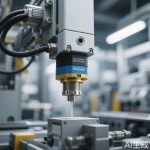
The industrial sector has been completely transformed by sensor applications. Predictive maintenance systems use vibration, temperature, and acoustic sensors to detect equipment issues before they cause costly downtime. Manufacturing facilities employ precision sensors for quality control, ensuring products meet exact specifications. Supply chain logistics rely on GPS, temperature, and humidity sensors to track shipments and ensure sensitive goods like pharmaceuticals and food remain within required conditions throughout their journey.
Environmental monitoring represents another critical application area where sensors are making a profound impact. Networks of air quality sensors in urban areas provide real-time pollution data, enabling cities to implement targeted interventions. Water quality sensors monitor reservoirs and rivers for contaminants, while soil sensors help farmers optimize irrigation and fertilizer use. Climate scientists deploy sophisticated sensor arrays across oceans and ice caps to gather the data needed to understand and address climate change.
Our homes and cities are becoming smarter through sensor integration. Smart home systems use motion, light, and temperature sensors to optimize energy usage and enhance security. Urban infrastructure employs traffic sensors to manage flow and reduce congestion, while waste management systems use fill-level sensors to optimize collection routes. Building management systems leverage occupancy and environmental sensors to create more comfortable, efficient spaces while reducing operational costs.
The automotive industry represents one of the most visible arenas for sensor innovation. Modern vehicles contain dozens of sensors monitoring everything from tire pressure to engine performance. Advanced driver-assistance systems (ADAS) rely on cameras, radar, and LiDAR sensors to enable features like automatic emergency braking and lane-keeping assistance. As we move toward fully autonomous vehicles, the sophistication and integration of these sensor systems will only increase.
Looking ahead, the future of sensor applications appears even more revolutionary. Emerging technologies like flexible and biodegradable sensors promise new applications in healthcare and environmental monitoring. Advances in AI and edge computing are enabling smarter sensors that can process data locally and make decisions in real-time. The convergence of 5G connectivity with sensor networks will enable massive-scale deployments with minimal latency, opening possibilities we’re only beginning to imagine.
Despite the tremendous progress, challenges remain around data privacy, security, and interoperability. As sensors become more pervasive, ensuring the security of collected data and maintaining user privacy will be critical. Standardization efforts are underway to ensure different sensor systems can communicate effectively, but much work remains to create truly seamless integrated environments.
What’s clear is that sensor applications have moved from being specialized tools to fundamental components of our technological infrastructure. They’re the unsung heroes of digital transformation, working quietly in the background to make our systems smarter, our environments safer, and our lives more convenient. As technology continues to advance, these tiny devices will play an increasingly central role in shaping our future—sensing, monitoring, and responding to create a world that’s more connected, efficient, and responsive to human needs.


Leave a Message