
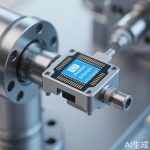
In the intricate network of pipelines that crisscross our industrial landscape, there exists a silent guardian working tirelessly to ensure efficiency, safety, and reliability. Pipeline flow detection sensors represent one of the most critical innovations in modern industrial monitoring systems, serving as the eyes and ears within pipelines that transport everything from crude oil to drinking water. These sophisticated devices have revolutionized how industries monitor, control, and optimize fluid transportation systems, making them indispensable in today’s technology-driven industrial environment.
The fundamental purpose of pipeline flow detection sensors is straightforward yet profoundly important: to accurately measure and monitor the flow rate of liquids, gases, and slurries moving through pipelines. However, their significance extends far beyond simple measurement. These sensors provide real-time data that enables operators to detect abnormalities, prevent catastrophic failures, optimize operational efficiency, and maintain regulatory compliance. In an era where precision and reliability are paramount, flow detection sensors have become the backbone of pipeline management systems across numerous industries including oil and gas, water treatment, chemical processing, and food production.
Modern pipeline flow detection sensors employ various sophisticated technologies to achieve accurate measurements. Ultrasonic sensors use sound waves to determine flow velocity, while electromagnetic sensors measure the voltage induced when conductive fluids pass through a magnetic field. Coriolis mass flow sensors, renowned for their exceptional accuracy, measure flow by detecting the Coriolis effect on vibrating tubes. Turbine flow sensors utilize the mechanical rotation of a turbine rotor proportional to fluid velocity. Each technology offers distinct advantages tailored to specific applications, fluid properties, and environmental conditions, allowing industries to select the most appropriate solution for their unique requirements.
The implementation of advanced flow detection sensors brings substantial economic benefits to industrial operations. By providing precise flow measurements, these sensors enable companies to minimize product loss, reduce energy consumption, and optimize maintenance schedules. In oil and gas pipelines, for instance, even minor improvements in flow measurement accuracy can translate to significant financial savings by reducing measurement uncertainties in custody transfer operations. Similarly, in municipal water systems, accurate flow detection helps identify leaks early, preventing water loss and infrastructure damage that would otherwise require costly repairs.
Safety represents another crucial dimension where pipeline flow detection sensors make an invaluable contribution. These sensors can detect unusual flow patterns that may indicate leaks, blockages, or equipment malfunctions, triggering automatic shutdowns or alerts before situations escalate into emergencies. In hazardous fluid transportation, such as petroleum products or chemicals, early leak detection can prevent environmental contamination, fire hazards, and potential harm to personnel. The integration of flow sensors with automated control systems creates a robust safety network that significantly enhances overall operational security.
Technological advancements continue to push the boundaries of what pipeline flow detection sensors can achieve. The integration of IoT connectivity has transformed traditional sensors into smart devices capable of remote monitoring, predictive analytics, and seamless integration with broader industrial control systems. Modern sensors now feature self-diagnostic capabilities, temperature and pressure compensation, and enhanced durability to withstand harsh operating conditions. Artificial intelligence and machine learning algorithms are being incorporated to identify complex flow patterns and predict potential issues before they manifest, ushering in a new era of predictive maintenance and operational intelligence.
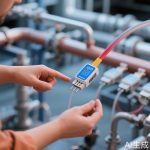
Despite their sophisticated capabilities, the successful implementation of pipeline flow detection sensors requires careful consideration of several factors. Proper sensor selection must account for fluid characteristics, pipe size, temperature, pressure, and required accuracy. Installation position and method significantly impact measurement reliability, necessitating professional expertise during implementation. Regular calibration and maintenance remain essential to ensure long-term accuracy and reliability, highlighting the importance of comprehensive support services from sensor manufacturers and suppliers.
As industries worldwide face increasing pressure to improve efficiency, enhance safety, and reduce environmental impact, the role of pipeline flow detection sensors becomes increasingly vital. These unassuming devices work continuously behind the scenes, providing the critical data needed to make informed decisions, optimize processes, and prevent disasters. Their evolution from simple mechanical counters to sophisticated electronic systems mirrors the broader transformation of industrial operations toward greater automation, connectivity, and intelligence. For any organization relying on fluid transportation systems, investing in advanced flow detection technology isn’t just an operational improvement—it’s a strategic necessity in an increasingly competitive and regulated global marketplace.

Leave a Message