
In today’s hyper-competitive industrial landscape, precision isn’t just an advantage—it’s a necessity. Pressure measurement systems have evolved from simple mechanical gauges to sophisticated digital ecosystems that form the nervous system of modern operations. These advanced systems don’t merely monitor pressure; they provide critical intelligence that drives efficiency, ensures safety, and unlocks unprecedented levels of performance across countless applications.
The transformation of pressure measurement technology represents one of the most significant yet underappreciated revolutions in industrial instrumentation. Modern systems integrate cutting-edge sensors, intelligent data processing, and seamless connectivity to deliver insights that were unimaginable just a decade ago. From pharmaceutical manufacturing to energy production, these systems serve as the foundation for process optimization and quality control, making them indispensable assets in any operation where pressure conditions matter.
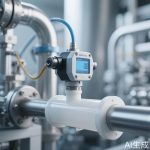
What sets contemporary pressure measurement systems apart is their ability to provide more than just raw data. Advanced sensor technologies, including piezoresistive, capacitive, and optical sensing elements, offer exceptional accuracy across wide measurement ranges while maintaining stability in challenging environments. These sensors capture minute pressure variations with remarkable precision, enabling operators to detect subtle process changes that could indicate developing issues or optimization opportunities.
The true power of modern pressure measurement emerges when these precise sensors connect with intelligent data processing capabilities. Embedded microprocessors transform basic pressure readings into actionable information through real-time analysis, trend identification, and predictive algorithms. This intelligence allows systems to not only report current conditions but also anticipate future states, enabling proactive maintenance and process adjustments that prevent downtime and quality issues before they occur.
Connectivity represents another leap forward in pressure measurement technology. Industrial Internet of Things (IIoT) capabilities allow pressure measurement systems to communicate seamlessly with control systems, enterprise software, and remote monitoring platforms. This interconnected ecosystem enables comprehensive visibility across operations, facilitates centralized data analysis, and supports remote configuration and diagnostics. The result is a more responsive, adaptable operation that can optimize performance based on holistic understanding rather than isolated measurements.
Safety considerations have driven significant innovations in pressure measurement system design. Redundant sensing elements, fail-safe mechanisms, and robust construction ensure reliable operation even in extreme conditions. Advanced diagnostic capabilities continuously monitor system health, alerting operators to potential issues before they compromise measurement integrity or safety. These features make modern pressure measurement systems critical components in safety instrumented systems where reliable pressure monitoring can prevent catastrophic failures.
The applications for advanced pressure measurement span virtually every industry. In pharmaceutical manufacturing, these systems ensure precise control of bioreactor conditions and filtration processes. Energy producers rely on them for wellhead monitoring, pipeline management, and refinery operations. Food and beverage manufacturers use pressure measurement to maintain consistent product quality while aerospace applications depend on them for everything from cabin pressure control to fuel system monitoring. In each case, the specific requirements drive continuous innovation in measurement technology.
Looking forward, the evolution of pressure measurement systems shows no signs of slowing. Emerging technologies like wireless power harvesting, artificial intelligence integration, and nanotechnology-based sensors promise to deliver even greater capabilities. These developments will further reduce installation complexity, enhance measurement precision, and expand the intelligence these systems can provide. The future points toward increasingly autonomous pressure measurement systems that not only monitor conditions but also make independent adjustments to optimize processes in real-time.
Selecting the right pressure measurement system requires careful consideration of application requirements, environmental conditions, and integration needs. Factors such as measurement range, accuracy specifications, media compatibility, and communication protocols all play crucial roles in determining system suitability. Working with experienced providers who understand both the technology and its practical applications ensures that investments in pressure measurement deliver maximum value through improved operations, enhanced safety, and reduced costs.
As industrial processes grow more complex and quality standards become more stringent, the role of pressure measurement systems continues to expand. These systems have transformed from simple monitoring tools to comprehensive solutions that drive operational excellence. By embracing the latest advancements in pressure measurement technology, organizations can unlock new levels of performance, reliability, and intelligence across their operations—proving that sometimes, the most significant improvements come from measuring what matters with unprecedented precision.
Leave a Message