
In the vast, complex world of industrial operations, there exists a silent guardian working tirelessly behind the scenes – the industrial temperature detection sensor. These unassuming devices have become the backbone of modern manufacturing, ensuring processes run smoothly, safely, and efficiently. From automotive assembly lines to pharmaceutical production facilities, temperature sensors are the watchful eyes that never blink, constantly monitoring thermal conditions with precision that would make even the most experienced quality control specialist envious.
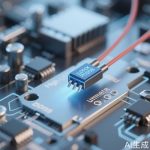
The evolution of industrial temperature sensors reads like a technological revolution in itself. What began as simple mercury thermometers has transformed into sophisticated infrared sensors, thermocouples, and resistance temperature detectors (RTDs) capable of measuring temperature variations as subtle as 0.1 degrees Celsius. This precision isn’t just impressive – it’s essential. In industries like semiconductor manufacturing, where nanometer-scale components are created, even the slightest temperature fluctuation can mean the difference between a functional microchip and thousands of dollars in wasted materials.
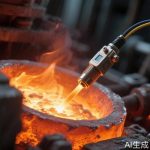
Modern industrial temperature sensors come in various forms, each designed for specific applications and environments. Thermocouples, known for their wide temperature range and durability, thrive in harsh conditions where other sensors might fail. RTDs offer exceptional accuracy for critical processes, while thermistors provide high sensitivity for applications requiring rapid response times. The emergence of non-contact infrared sensors has revolutionized temperature monitoring in moving parts or hazardous environments, allowing measurements from safe distances without physical contact.
The integration of Industry 4.0 technologies has elevated temperature sensors from mere monitoring devices to intelligent components in connected ecosystems. Today’s advanced sensors communicate directly with control systems, providing real-time data that enables predictive maintenance and process optimization. When a temperature begins trending outside normal parameters, these smart sensors can trigger alerts or automatically adjust machinery before problems escalate. This proactive approach has helped manufacturers reduce downtime by up to 45% and decrease maintenance costs by nearly 30%, according to recent industry studies.
Beyond efficiency, industrial temperature sensors play a crucial role in workplace safety and regulatory compliance. In chemical processing plants, they prevent reactions from reaching dangerous temperatures. In food production facilities, they ensure proper cooking and storage conditions to meet health standards. The pharmaceutical industry relies on them to maintain strict temperature controls throughout drug manufacturing and storage processes. In each case, these sensors provide the documentation and verification needed to satisfy regulatory requirements and protect both products and people.
Looking toward the future, the next generation of temperature detection sensors promises even greater capabilities. The integration of artificial intelligence and machine learning enables sensors to not just measure temperature but understand patterns and predict outcomes. Emerging technologies like fiber optic temperature sensors offer immunity to electromagnetic interference, while wireless sensor networks provide unprecedented flexibility in monitoring hard-to-reach areas. As industries continue to push the boundaries of what’s possible, temperature detection sensors will undoubtedly evolve to meet these new challenges, continuing their silent but vital work in the background of industrial progress.
The true value of industrial temperature detection sensors extends far beyond their technical specifications. They represent the marriage of precision engineering and practical application, creating solutions that enhance productivity, ensure quality, and protect investments. As manufacturing becomes increasingly automated and data-driven, these humble components will continue to play an essential role in the industrial landscape, proving that sometimes the most critical elements in complex systems are those working quietly in the background.

Leave a Message