
In the intricate symphony of modern plumbing and water management systems, there exists a silent guardian working tirelessly behind the scenes – the water pressure sensor. These unassuming devices have become the backbone of efficient water distribution, conservation efforts, and even home automation. While they might not capture headlines like other technological marvels, their impact on our daily lives is both profound and far-reaching.
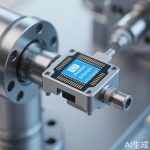
Water pressure sensors are sophisticated instruments designed to measure and monitor the force exerted by water within pipes and containers. Using various technologies including piezoelectric, strain gauge, and optical methods, these sensors convert mechanical pressure into electrical signals that can be interpreted by control systems. The accuracy and reliability of modern pressure sensors have reached remarkable levels, with some industrial-grade models capable of detecting pressure changes as subtle as 0.1% of their full-scale range.
The applications of water pressure sensors span across multiple domains, from municipal water systems to residential homes. In urban infrastructure, these sensors play a crucial role in maintaining optimal water pressure throughout distribution networks. They help utility companies detect leaks early, prevent pipe bursts, and ensure consistent water delivery to every household. The data collected from these sensors enables predictive maintenance, saving municipalities millions in potential repair costs and reducing water loss significantly.
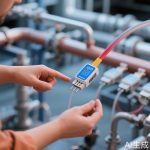
In residential settings, water pressure sensors have become integral to smart home ecosystems. Modern homeowners are increasingly installing these devices to monitor their plumbing systems, receiving instant alerts on their smartphones when pressure anomalies occur. This early warning system can prevent catastrophic water damage from burst pipes, potentially saving thousands in repair costs. Furthermore, these sensors work in harmony with automatic shut-off valves to isolate problematic sections of plumbing before minor issues escalate into major emergencies.
The agricultural sector has witnessed a revolution in irrigation efficiency thanks to advanced pressure sensing technology. Precision farming operations utilize networks of soil moisture sensors and pressure monitors to deliver exactly the right amount of water to crops at the optimal time. This targeted approach reduces water consumption by up to 30% compared to traditional irrigation methods while improving crop yields. The environmental benefits extend beyond water conservation, as reduced runoff means fewer agricultural chemicals entering watersheds.
Industrial applications of water pressure sensors are equally impressive. Manufacturing plants, power generation facilities, and chemical processing operations rely on these devices to maintain precise control over cooling systems, processing lines, and safety mechanisms. In the oil and gas industry, pressure sensors monitor wellhead operations and pipeline integrity, ensuring both operational efficiency and environmental protection. The reliability of these sensors is so critical that many industrial models are designed to withstand extreme temperatures, corrosive environments, and intense vibration.
Recent technological advancements have pushed the boundaries of what water pressure sensors can achieve. The integration of IoT connectivity has transformed standalone sensors into intelligent network nodes that communicate with central management systems. Artificial intelligence algorithms now analyze pressure data patterns to predict equipment failures before they occur. Meanwhile, miniaturization has enabled the development of tiny, inexpensive sensors that can be deployed in previously inaccessible locations, from deep within plumbing walls to remote sections of irrigation systems.
Looking toward the future, water pressure sensors are poised to play an even more significant role in global water conservation efforts. As climate change intensifies water scarcity issues in many regions, the precise monitoring and management enabled by these sensors will become increasingly valuable. Researchers are developing next-generation sensors that can detect not just pressure, but water quality parameters simultaneously, providing comprehensive monitoring solutions for both developed and developing communities.
The economic impact of widespread pressure sensor adoption cannot be overstated. Insurance companies now offer premium discounts to homeowners who install smart water monitoring systems featuring pressure sensors. Municipalities report significant reductions in water main breaks and treatment costs. Agricultural operations see improved profitability through reduced water and energy expenses. These financial benefits, combined with environmental advantages, create a compelling case for broader implementation across all sectors.
Despite their technological sophistication, modern water pressure sensors have become increasingly user-friendly and affordable. Homeowners can now purchase DIY installation kits from local hardware stores, while industrial operations can choose from specialized models tailored to specific applications. The democratization of this technology means that the benefits of precise water pressure monitoring are accessible to everyone, from individual households to massive industrial complexes.
As we navigate an era of increasing environmental awareness and resource constraints, water pressure sensors stand as testament to how simple technological solutions can address complex challenges. These humble devices remind us that sometimes the most impactful innovations aren’t the flashiest ones, but those that work consistently and reliably to improve our quality of life while protecting our precious natural resources. The next time you turn on a faucet and enjoy perfectly pressurized water, take a moment to appreciate the sophisticated technology working behind the scenes to make it possible.
Leave a Message