
In the intricate dance of modern technology, surface temperature sensors perform as silent conductors, orchestrating precision and safety across countless applications. These unassuming devices have evolved from simple thermal indicators to sophisticated monitoring systems that protect equipment, ensure quality, and save lives. From industrial manufacturing to medical devices, from automotive systems to consumer electronics, surface temperature sensors work tirelessly behind the scenes, making our technology smarter, safer, and more efficient.
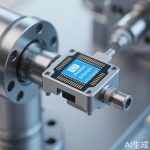
The fundamental principle behind surface temperature sensors seems almost magical in its simplicity – they measure temperature without direct contact with the object being monitored. Using various technologies including infrared, thermocouples, and resistance temperature detectors (RTDs), these sensors can accurately gauge temperature from a distance or through minimal contact. This non-invasive approach makes them indispensable in situations where direct contact would be impractical, dangerous, or would interfere with the process being monitored.
Industrial applications represent one of the most critical domains for surface temperature sensors. In manufacturing plants, these sensors monitor equipment temperature to prevent overheating and predict maintenance needs. They ensure optimal operating temperatures in chemical processes, food production, and metalworking. The data collected helps prevent catastrophic failures, reduces downtime, and maintains consistent product quality. Modern Industrial sensors can withstand extreme environments, from freezing cold storage facilities to scorching furnace areas, delivering reliable performance when it matters most.
Healthcare has embraced surface temperature monitoring with remarkable results. Medical-grade sensors track patient body temperature continuously, providing early warning of fever or hypothermia. They monitor medical equipment like MRI machines and sterilization devices, ensuring they operate within safe temperature ranges. During surgical procedures, temperature sensors help maintain optimal conditions for both patients and delicate medical instruments. The precision and reliability of these sensors directly contribute to improved patient outcomes and medical safety.
The automotive industry represents another frontier where surface temperature sensors play multiple crucial roles. They monitor engine temperature to optimize performance and fuel efficiency, track brake temperature to prevent overheating, and ensure climate control systems maintain comfortable cabin temperatures. In electric vehicles, temperature sensors become even more critical, monitoring battery packs to prevent thermal runaway and ensure safe operation. As vehicles become more autonomous and connected, the role of temperature monitoring expands to include sensor arrays and computing systems.
Consumer electronics have quietly integrated surface temperature sensors into our daily lives. Your smartphone uses them to prevent processor overheating, your laptop employs them to manage battery temperature, and your smart home devices utilize them for environmental control. Even kitchen appliances like ovens and refrigerators rely on temperature sensors to maintain precise cooking and storage conditions. These implementations demonstrate how surface temperature monitoring has become an invisible yet essential feature of modern convenience.
Recent technological advancements have transformed surface temperature sensors into intelligent monitoring systems. Wireless connectivity allows remote monitoring and data collection, while IoT integration enables sensors to communicate with other systems for comprehensive environmental control. Artificial intelligence algorithms can now predict temperature trends and identify anomalies before they become problems. Miniaturization has made sensors smaller and more versatile, while improved materials have enhanced their accuracy and durability.
The future of surface temperature sensing looks even more promising with emerging technologies like graphene-based sensors offering unprecedented sensitivity, and quantum temperature sensors pushing the boundaries of precision. Energy-harvesting technologies may soon power sensors indefinitely without batteries, while self-calibrating systems could maintain accuracy over longer periods. As manufacturing costs decrease and capabilities increase, we can expect to see temperature sensors in even more applications, from smart clothing to environmental monitoring networks.
Despite their technological sophistication, the true value of surface temperature sensors lies in their practical benefits. They enhance safety by preventing equipment failures and hazardous conditions. They improve efficiency by optimizing processes and reducing energy consumption. They extend equipment lifespan by enabling proactive maintenance. And they ensure quality by maintaining precise environmental conditions. These practical advantages make surface temperature sensors not just technical components, but valuable business assets.
As we look toward an increasingly automated and connected world, the importance of reliable temperature monitoring cannot be overstated. Surface temperature sensors form the foundation of thermal management systems that will become even more critical as technology advances. From data centers managing server heat to renewable energy systems optimizing solar collection, from smart cities monitoring infrastructure to space exploration equipment surviving extreme environments – surface temperature sensors will continue to be the silent guardians of our technological progress.
The next time you use your phone, drive your car, or benefit from modern healthcare, remember the sophisticated network of surface temperature sensors working behind the scenes. These remarkable devices exemplify how seemingly simple technology, when perfected and applied thoughtfully, can transform industries and improve lives. As innovation continues, surface temperature sensors will undoubtedly play an even greater role in shaping our technological future, proving that sometimes the most significant advances come in the smallest, most unassuming packages.


Leave a Message