
In today’s complex industrial landscape, temperature monitoring has evolved far beyond simple single-point measurements. Multi-channel temperature sensors represent the next frontier in precision monitoring, offering unprecedented capabilities for industries ranging from manufacturing and healthcare to food processing and research facilities. These sophisticated systems enable simultaneous tracking of multiple temperature points across different locations, providing a comprehensive thermal picture that single-channel sensors simply cannot match.
The fundamental advantage of multi-channel systems lies in their ability to capture temperature variations across entire processes or facilities. Imagine monitoring an entire production line, pharmaceutical storage facility, or server farm with a single integrated system. Instead of relying on scattered individual sensors that require separate monitoring, multi-channel solutions consolidate data collection into a unified platform. This centralized approach not only simplifies installation and maintenance but also provides correlated data that reveals crucial relationships between different temperature zones.
Modern multi-channel temperature sensors incorporate advanced features that make them indispensable for critical applications. High-precision thermocouples, RTDs, and thermistors can be mixed and matched within the same system, allowing customization for specific measurement needs. Many systems offer accuracy within ±0.1°C and can monitor anywhere from 4 to 64 channels simultaneously. The integration of digital communication protocols like Modbus, Profibus, and Ethernet/IP enables seamless connectivity with existing control systems and SCADA platforms.
Data management represents another significant advantage of multi-channel systems. Advanced sensors include built-in data logging capabilities, storing millions of data points with precise timestamps. This historical data becomes invaluable for trend analysis, predictive maintenance, and compliance reporting. When combined with cloud connectivity and IoT platforms, these systems enable real-time remote monitoring and automated alert systems that notify operators immediately when temperatures deviate from predefined parameters.
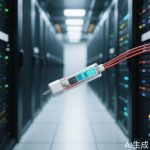
The applications for multi-channel temperature monitoring span virtually every industry. In pharmaceutical manufacturing, they ensure consistent temperature control throughout production and storage processes, maintaining product integrity and regulatory compliance. Food processing facilities use them to monitor multiple critical control points in HACCP plans. Research laboratories rely on them for precise environmental control in experiments, while data centers deploy them to prevent overheating in server racks.
Installation and scalability considerations make multi-channel systems particularly attractive for growing operations. Instead of installing numerous individual sensors with separate wiring and communication lines, businesses can implement a single multi-channel unit with centralized wiring. This approach significantly reduces installation costs and complexity while providing the flexibility to expand monitoring capabilities as needs evolve. Many systems support modular expansion, allowing additional channels to be added without replacing the entire infrastructure.
Looking toward the future, multi-channel temperature sensors are evolving to incorporate artificial intelligence and machine learning capabilities. These advanced systems can learn normal temperature patterns and automatically identify anomalies that might indicate equipment failure or process deviations. Predictive algorithms can forecast temperature trends and suggest preventive actions before issues occur, transforming temperature monitoring from a reactive to a proactive function.
The economic benefits of implementing multi-channel temperature monitoring systems extend beyond initial cost savings. By providing comprehensive thermal visibility, these systems help optimize energy consumption, reduce product spoilage, prevent equipment damage, and minimize downtime. The return on investment often becomes apparent within the first year of operation, particularly in industries where temperature control directly impacts product quality and regulatory compliance.
As industries continue to embrace digital transformation and Industry 4.0 principles, multi-channel temperature sensors will play an increasingly vital role in operational excellence. Their ability to provide comprehensive, correlated temperature data makes them essential tools for quality control, process optimization, and risk management. For organizations seeking to enhance their monitoring capabilities while reducing complexity, multi-channel temperature sensors offer a sophisticated solution that delivers both immediate benefits and long-term value.

Leave a Message