
Invisible yet indispensable, gas pressure measurement forms the backbone of countless industrial processes, safety systems, and technological innovations. For decades, mechanical gauges were the standard, providing a basic, analog reading of pressure levels. But in today’s interconnected, data-driven world, the humble pressure measurement has undergone a radical transformation. Modern gas pressure sensors are intelligent, connected, and incredibly precise, moving far beyond simple measurement to become critical components in predictive maintenance, process optimization, and automated control systems. They are the unsung heroes ensuring everything from the safety of our homes to the efficiency of global manufacturing.
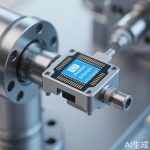
The evolution from mechanical dials to sophisticated electronic sensors marks a quantum leap in capability. Traditional gauges required manual inspection and were prone to wear, drift, and failure. In contrast, modern gas pressure sensors, often based on Micro-Electro-Mechanical Systems (MEMS) or piezoelectric technology, convert physical pressure into a highly accurate electrical signal. This digital data can be continuously monitored, logged, and analyzed. The implications are profound: a slight, consistent pressure drop in a compressed air line is no longer just a reading; it’s a data point that can predict an impending compressor failure days or weeks before it happens, saving thousands in unplanned downtime and repair costs.
One of the most significant impacts of advanced gas pressure sensors is in the realm of industrial safety. In environments dealing with flammable, toxic, or explosive gases, maintaining precise pressure control is not merely about efficiency—it’s about preventing catastrophe. High-accuracy sensors provide real-time feedback to control systems, ensuring that pressure remains within strict safe operating limits. In leak detection systems, ultrasensitive sensors can identify minute pressure deviations, triggering alarms and automatic shut-off valves long before a minor leak escalates into a major hazard. This proactive approach to safety, powered by reliable sensor data, is protecting both personnel and infrastructure in industries like oil and gas, chemical processing, and pharmaceuticals.
Beyond safety, the drive for operational excellence and energy efficiency is fueling the adoption of smart gas pressure sensors. In complex manufacturing processes, the quality of the final product is often directly tied to the precise control of gas pressures during production. A variation of a few millibars can compromise a batch of semiconductors or alter the properties of a specialty chemical. Modern sensors provide the stability and accuracy required for such high-stakes applications. Furthermore, by integrating with Industrial Internet of Things (IIoT) platforms, these sensors enable a holistic view of a plant’s energy usage. Operators can identify systems with excessive pressure, which often indicates energy waste, and fine-tune them for optimal performance, leading to significant cost savings and a reduced carbon footprint.
The applications extend far beyond the factory floor. In the medical field, gas pressure sensors are vital in ventilators, anesthesia machines, and diagnostic equipment, where patient lives depend on flawless performance. In HVAC systems, they optimize refrigerant cycles and airflow, enhancing comfort while minimizing energy consumption. Even the development of clean energy technologies, such as hydrogen fuel cells, relies heavily on specialized sensors to manage gas pressures safely and efficiently. As our world becomes more automated and our focus on sustainability intensifies, the role of these precise measurement tools will only continue to expand.
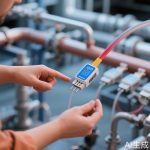
Choosing the right gas pressure sensor, however, is not a one-size-fits-all endeavor. Critical specifications include the pressure range, required accuracy, media compatibility (ensuring the sensor’s materials can withstand the gas being measured), operating temperature, and output signal type. For IIoT integration, features like digital communication protocols (e.g., I2C, SPI, or IO-Link) are becoming increasingly important. Partnering with a supplier that offers robust technical support and a proven track record in your specific industry is crucial for a successful implementation.
In conclusion, gas pressure sensors have quietly evolved from simple monitoring devices into intelligent sentinels of the industrial world. They are fundamental to building safer workplaces, more efficient processes, and a more sustainable future. By converting a fundamental physical force into actionable intelligence, these advanced sensors are not just measuring pressure—they are releasing it, taking the pressure off engineers, operators, and executives to guess, react, and repair, and empowering them to predict, optimize, and innovate instead.

Leave a Message