
Invisible yet indispensable, accelerometers have quietly become one of the most transformative technologies of our time. These microscopic marvels, capable of measuring proper acceleration, have evolved from specialized laboratory instruments to ubiquitous components embedded in countless devices we use daily. From the smartphone in your pocket to the car you drive, from healthcare innovations to industrial applications, accelerometers are the unsung heroes powering technological advancement across every sector.
The fundamental principle behind accelerometers is both elegant and powerful. These sensors detect changes in velocity by measuring the displacement of microscopic structures or the pressure on piezoelectric materials. Modern micro-electromechanical systems (MEMS) technology has miniaturized these sensors to the size of a grain of sand while dramatically reducing their cost. This democratization of acceleration sensing has opened up possibilities that were once confined to aerospace and military applications, making sophisticated motion detection accessible to consumer products and everyday applications.
Perhaps the most visible impact of accelerometers is in the realm of consumer electronics. Your smartphone uses accelerometers to automatically rotate the screen between portrait and landscape modes, track your steps for fitness applications, and enhance gaming experiences through motion controls. Smartwatches and fitness trackers rely heavily on these sensors to monitor physical activity, count steps, and even detect falls—potentially life-saving features for elderly users. The gaming industry has been revolutionized by motion-sensitive controllers that translate your physical movements into in-game actions, creating more immersive entertainment experiences.
Beyond consumer gadgets, accelerometers are driving innovation in transportation and automotive safety. Electronic stability control systems in vehicles use accelerometers to detect loss of traction and automatically apply brakes to individual wheels, preventing thousands of accidents annually. Airbag deployment systems rely on precise acceleration measurements to determine when a collision requires inflation. The emerging autonomous vehicle industry depends on accelerometers as part of sophisticated inertial navigation systems that work alongside GPS, providing continuous position tracking even when satellite signals are unavailable.
The healthcare sector has embraced accelerometers in remarkable ways. Implantable medical devices use these sensors to monitor patient activity and adjust therapy accordingly. Wearable cardiac monitors detect abnormal movements that might indicate arrhythmias or other heart conditions. Physical therapy patients benefit from motion-tracking systems that monitor rehabilitation exercises, while researchers use accelerometers to study movement disorders like Parkinson’s disease. The data collected helps medical professionals make more informed decisions and provides patients with greater insights into their health.
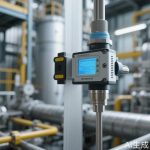
Industrial applications of accelerometers are equally impressive. In manufacturing, these sensors monitor equipment vibration to predict maintenance needs before catastrophic failures occur. Structural engineers embed accelerometers in bridges, buildings, and dams to detect subtle movements that might indicate structural weaknesses. The energy sector uses them to monitor pipeline integrity and optimize drilling operations. Even agriculture has found uses for accelerometers, from monitoring machinery performance to studying animal behavior in precision livestock farming.
Looking toward the future, accelerometer technology continues to evolve. Researchers are developing more sensitive, energy-efficient, and cost-effective sensors. The integration of accelerometers with other sensors like gyroscopes and magnetometers creates more comprehensive motion tracking systems. Emerging applications include earthquake early warning systems, sports performance analysis, and even space exploration—where accelerometers help navigate spacecraft and study celestial bodies.
The true brilliance of accelerometers lies in their ability to bridge the physical and digital worlds. By translating motion into data, they enable devices to understand and respond to their environment in increasingly sophisticated ways. As the Internet of Things expands and more devices become “smart,” the demand for reliable motion sensing will only grow. The humble accelerometer, once a specialized tool for scientists and engineers, has become a fundamental building block of our connected world—and its story is still being written with every new application and innovation.


Leave a Message