
In the intricate dance of industrial processes, temperature control isn’t just a requirement—it’s the heartbeat of operational excellence. Insertion temperature sensors have emerged as the silent sentinels of thermal management, offering unprecedented accuracy where it matters most. These sophisticated instruments penetrate directly into process streams, providing real-time data that transforms how industries monitor and control their thermal environments.
Unlike surface-mounted alternatives, insertion sensors deliver direct contact measurement with liquids, gases, and semi-solids. This intimate interaction with process materials eliminates guesswork and provides immediate feedback about the true thermal conditions. From chemical reactors to food processing pipelines, these sensors serve as the nervous system of thermal regulation, detecting subtle fluctuations that could compromise product quality or operational safety.
The engineering behind modern insertion temperature sensors represents a marvel of materials science. Constructed from corrosion-resistant alloys like stainless steel 316 or Inconel, these probes withstand aggressive media while maintaining measurement integrity. The strategic placement of sensing elements—whether thermocouples, RTDs, or thermistors—ensures optimal response times and minimal thermal lag, crucial for processes where temperature changes occur rapidly.
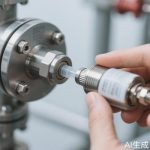
Installation versatility stands as another hallmark of insertion temperature sensors. With various mounting configurations including threaded, flanged, or sanitary connections, these devices adapt to diverse industrial landscapes. The selection of insertion length becomes a calculated decision, ensuring the sensing element reaches the thermal heart of the process while accounting for pipe dimensions and flow characteristics.
In pharmaceutical manufacturing, insertion temperature sensors maintain the delicate thermal balance required for drug synthesis. Even minor deviations can alter molecular structures or compromise sterility. Similarly, in energy production, these sensors monitor critical temperatures in turbines and heat exchangers, preventing catastrophic failures while optimizing thermal efficiency. The precision they offer directly translates to enhanced safety protocols and reduced operational risks.
The evolution of smart insertion sensors has further elevated their capabilities. Integrated with IoT connectivity and digital communication protocols, modern versions provide not just temperature readings but predictive analytics. They can alert operators to abnormal trends, recommend maintenance schedules, and even automate adjustment responses through connected control systems. This intelligence transforms temperature monitoring from reactive to proactive management.
Calibration and maintenance protocols ensure these sensors deliver consistent performance throughout their operational lifespan. Regular verification against reference standards maintains measurement traceability, while proper installation techniques prevent stem conduction errors and ensure representative temperature capture. The robust construction of insertion sensors typically allows for in-situ verification, minimizing process downtime during maintenance cycles.
As industries increasingly prioritize sustainability, insertion temperature sensors contribute to energy conservation efforts. By providing accurate thermal data, they enable precise control of heating and cooling systems, reducing energy waste in HVAC applications, industrial ovens, and refrigeration units. This environmental benefit, combined with their role in quality assurance, positions insertion temperature sensors as key players in sustainable manufacturing initiatives.
The future promises even greater integration of insertion temperature sensors with industrial automation systems. Advances in wireless technology, self-diagnostic capabilities, and miniaturization will expand their applications into previously inaccessible environments. As Industry 4.0 continues to transform manufacturing landscapes, these sensors will evolve from measurement devices to intelligent nodes in interconnected industrial ecosystems.
Selecting the appropriate insertion temperature sensor requires careful consideration of process conditions, accuracy requirements, and environmental factors. The collaboration between instrumentation engineers and process specialists ensures optimal sensor specification, balancing performance needs with economic considerations. This partnership approach guarantees that the chosen solution not only measures temperature but enhances overall process efficiency and reliability.
In conclusion, insertion temperature sensors represent far more than simple measurement tools. They embody the convergence of precision engineering, materials science, and digital innovation. As industries worldwide strive for greater efficiency, quality, and safety, these unassuming devices will continue to play their crucial role—the unseen guardians ensuring thermal perfection in every process they monitor.

Leave a Message