
In an increasingly automated world, temperature control system sensors have emerged as the unsung heroes of modern technology. These sophisticated devices work silently behind the scenes, ensuring precision, safety, and efficiency across countless applications. From manufacturing plants to smart homes, healthcare facilities to agricultural operations, temperature sensors form the critical backbone of environmental monitoring and control systems that keep our world running smoothly.
The evolution of temperature sensors has been nothing short of remarkable. Modern sensors have transformed from simple thermometers to highly intelligent devices capable of real-time monitoring, data analysis, and automated response. Today’s advanced temperature control systems incorporate multiple sensor types, including thermocouples, resistance temperature detectors (RTDs), thermistors, and infrared sensors, each offering unique advantages for specific applications and environments.
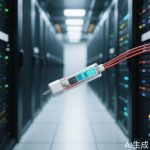
One of the most significant breakthroughs in temperature control technology lies in the integration of IoT capabilities. Smart sensors now communicate wirelessly with central control systems, providing continuous data streams that enable predictive maintenance and proactive temperature management. This connectivity allows facilities to detect potential issues before they become critical problems, significantly reducing downtime and maintenance costs while improving overall system reliability.
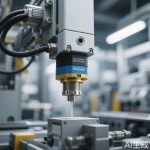
In industrial settings, temperature control system sensors play a crucial role in quality assurance and process optimization. Manufacturing processes often require precise temperature maintenance within tight tolerances, where even minor deviations can compromise product quality or create safety hazards. Advanced sensor arrays monitor multiple points simultaneously, providing comprehensive thermal mapping and enabling immediate adjustments through automated control systems.
The healthcare industry represents another frontier where temperature sensors demonstrate their vital importance. From pharmaceutical storage and laboratory equipment to patient monitoring devices and sterilization systems, medical-grade temperature sensors ensure compliance with strict regulatory requirements. In vaccine storage and blood bank applications, for instance, continuous temperature monitoring isn’t just about efficiency—it’s literally a matter of life and death.
Modern temperature control systems have also revolutionized energy management in commercial and residential buildings. Smart HVAC systems utilize networks of temperature sensors to optimize heating and cooling patterns based on occupancy, weather conditions, and time of day. This intelligent approach not only enhances comfort but also delivers substantial energy savings, contributing to sustainability goals while reducing operational costs.
The food industry presents another compelling case for advanced temperature monitoring. From farm to table, temperature sensors ensure food safety and quality preservation at every stage of the supply chain. Cold chain monitoring systems track temperature conditions during transportation and storage, alerting operators to any deviations that could compromise food safety or lead to spoilage. This level of monitoring has become increasingly crucial in global food distribution networks.
Looking toward the future, temperature control system sensors continue to evolve with emerging technologies. The integration of artificial intelligence and machine learning enables predictive analytics that can anticipate temperature fluctuations and automatically adjust system parameters. Meanwhile, nanotechnology is paving the way for even smaller, more sensitive sensors that can monitor temperature at microscopic levels, opening new possibilities in scientific research and medical applications.
As industries worldwide face increasing pressure to improve efficiency, reduce waste, and enhance safety, the role of temperature control system sensors becomes ever more critical. These technological marvels represent the perfect marriage of precision engineering and digital intelligence, working tirelessly to maintain optimal conditions across countless applications. Their continued advancement promises to drive innovation across sectors, making our world smarter, safer, and more efficient with each technological leap forward.

Leave a Message