
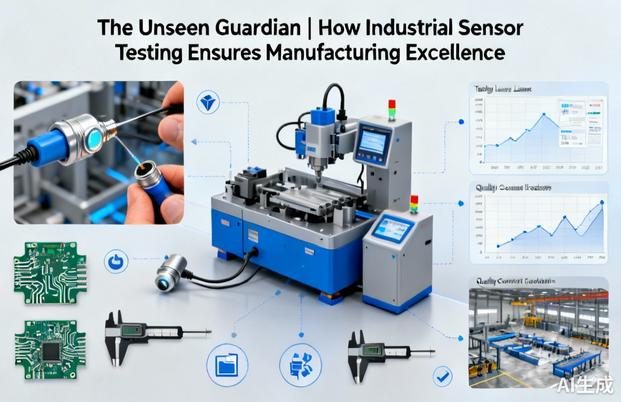
In the heart of every modern manufacturing facility lies a silent network of guardians—Industrial sensors working tirelessly to monitor, measure, and protect. These sophisticated devices form the nervous system of contemporary industry, yet their reliability hinges on one critical process: industrial sensor testing. Without rigorous validation protocols, even the most advanced sensors become unreliable sentinels, potentially compromising entire production systems.
The stakes in industrial sensor performance have never been higher. In an era where smart factories and Industry 4.0 dominate manufacturing conversations, sensors serve as the fundamental building blocks of digital transformation. They collect crucial data that drives automation, predictive maintenance, and quality control. However, this data is only valuable when it’s accurate, consistent, and reliable. Industrial sensor testing provides the foundation for this trustworthiness, ensuring that measurements translate into meaningful insights rather than costly errors.
Modern industrial sensor testing encompasses far more than basic functionality checks. Today’s testing protocols simulate real-world operating conditions, pushing sensors to their limits to verify performance under stress. Temperature cycling tests subject sensors to extreme heat and cold, while vibration testing mimics the harsh environments of manufacturing floors. Environmental testing exposes sensors to moisture, dust, and corrosive substances they might encounter during normal operation. These comprehensive evaluations ensure that sensors won’t fail when they’re needed most.
Calibration represents another cornerstone of industrial sensor testing. Even the most precisely manufactured sensors can experience drift over time, gradually losing accuracy as they endure continuous operation. Regular calibration against certified reference standards ensures measurements remain within specified tolerances. Advanced calibration facilities maintain controlled environments where temperature, humidity, and pressure remain constant, eliminating variables that could compromise testing accuracy. This meticulous attention to detail separates adequate sensor performance from exceptional reliability.
The evolution of industrial sensor testing mirrors advancements in sensor technology itself. As sensors grow more sophisticated—incorporating wireless connectivity, embedded intelligence, and self-diagnostic capabilities—testing methodologies must evolve accordingly. Modern test systems now evaluate not only traditional performance metrics but also communication protocols, cybersecurity features, and interoperability with industrial IoT platforms. This holistic approach ensures that sensors function seamlessly within increasingly complex industrial ecosystems.
Beyond technical specifications, industrial sensor testing delivers tangible business value. The cost of sensor failure extends far beyond replacement expenses, potentially including production downtime, quality issues, safety incidents, and environmental impacts. Comprehensive testing identifies potential failure modes before sensors enter service, preventing problems that could disrupt operations or damage brand reputation. This proactive approach to quality assurance represents a sound investment in operational continuity and risk management.
The future of industrial sensor testing points toward increased automation and intelligence. Machine learning algorithms now analyze test data to predict sensor lifespan and identify subtle performance trends that might indicate future issues. Digital twin technology creates virtual replicas of sensors, allowing engineers to simulate performance under countless scenarios without physical testing. These innovations promise to make sensor testing more efficient, comprehensive, and predictive—ultimately enhancing reliability across industrial applications.
As manufacturing grows increasingly dependent on accurate data, the role of industrial sensor testing becomes ever more crucial. It represents the invisible quality assurance process that underpins modern industrial operations, ensuring that the devices monitoring our factories, infrastructure, and environment perform with unwavering precision. In the complex symphony of modern manufacturing, industrial sensor testing serves as the conductor—guaranteeing every instrument plays its part perfectly, creating harmony where chaos might otherwise reign.

Leave a Message